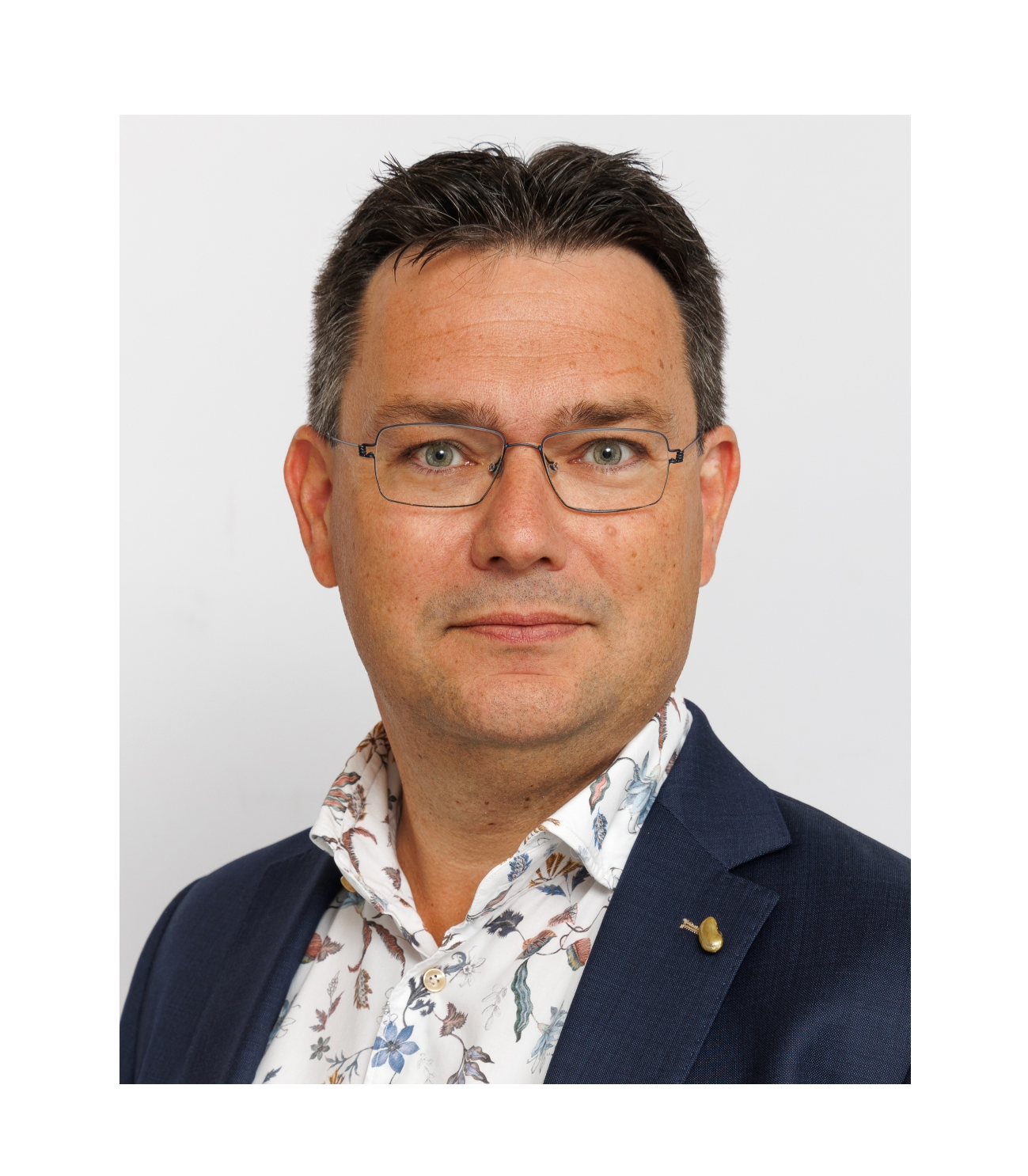
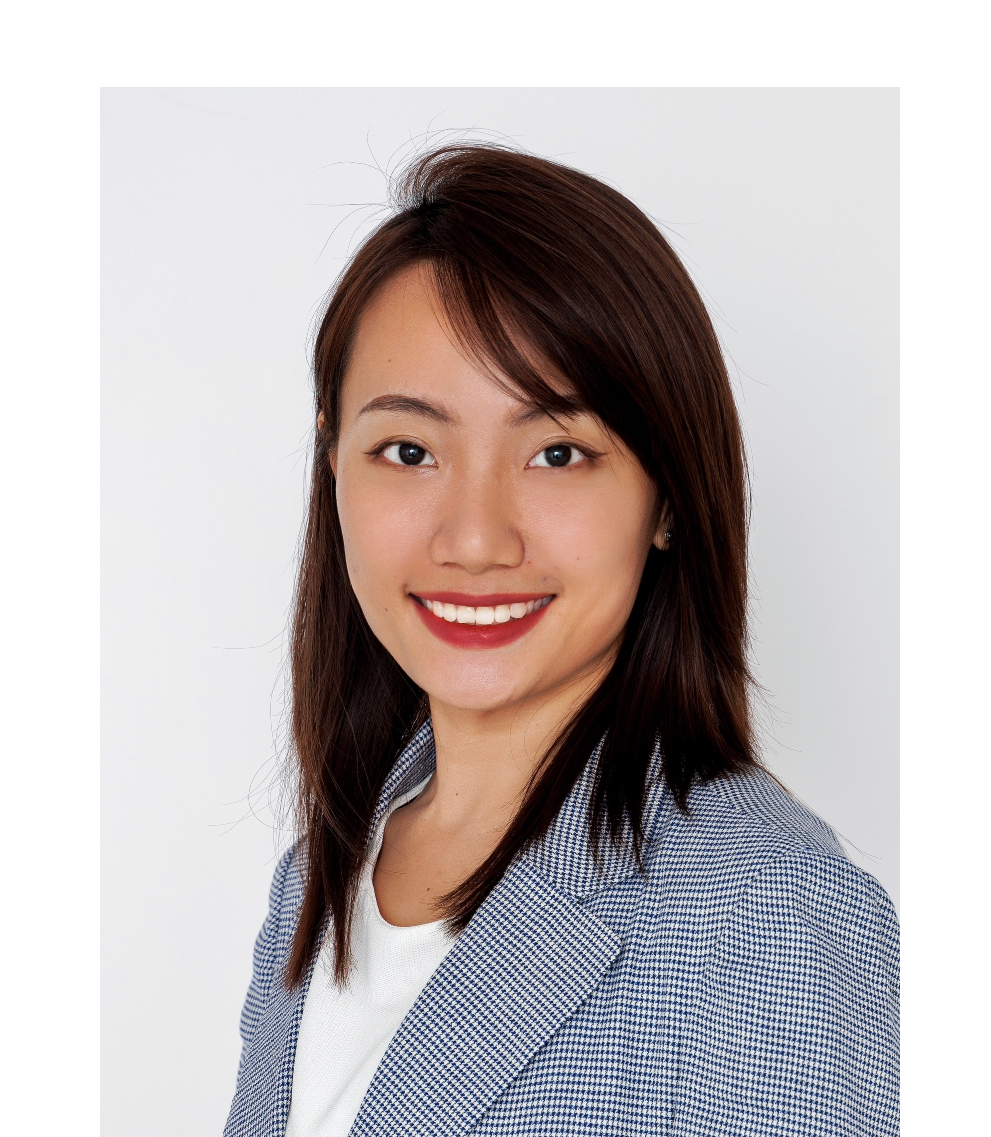
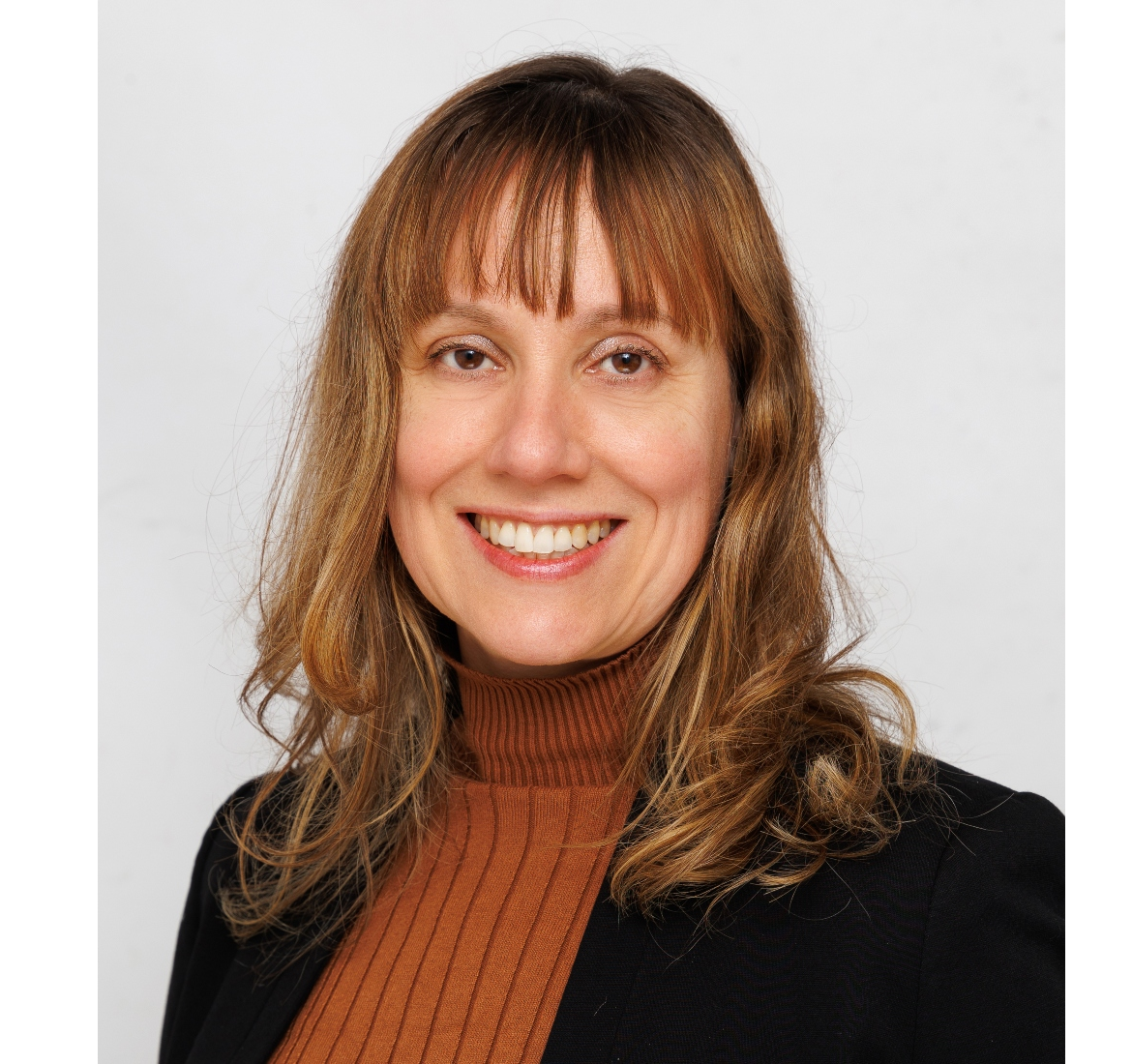
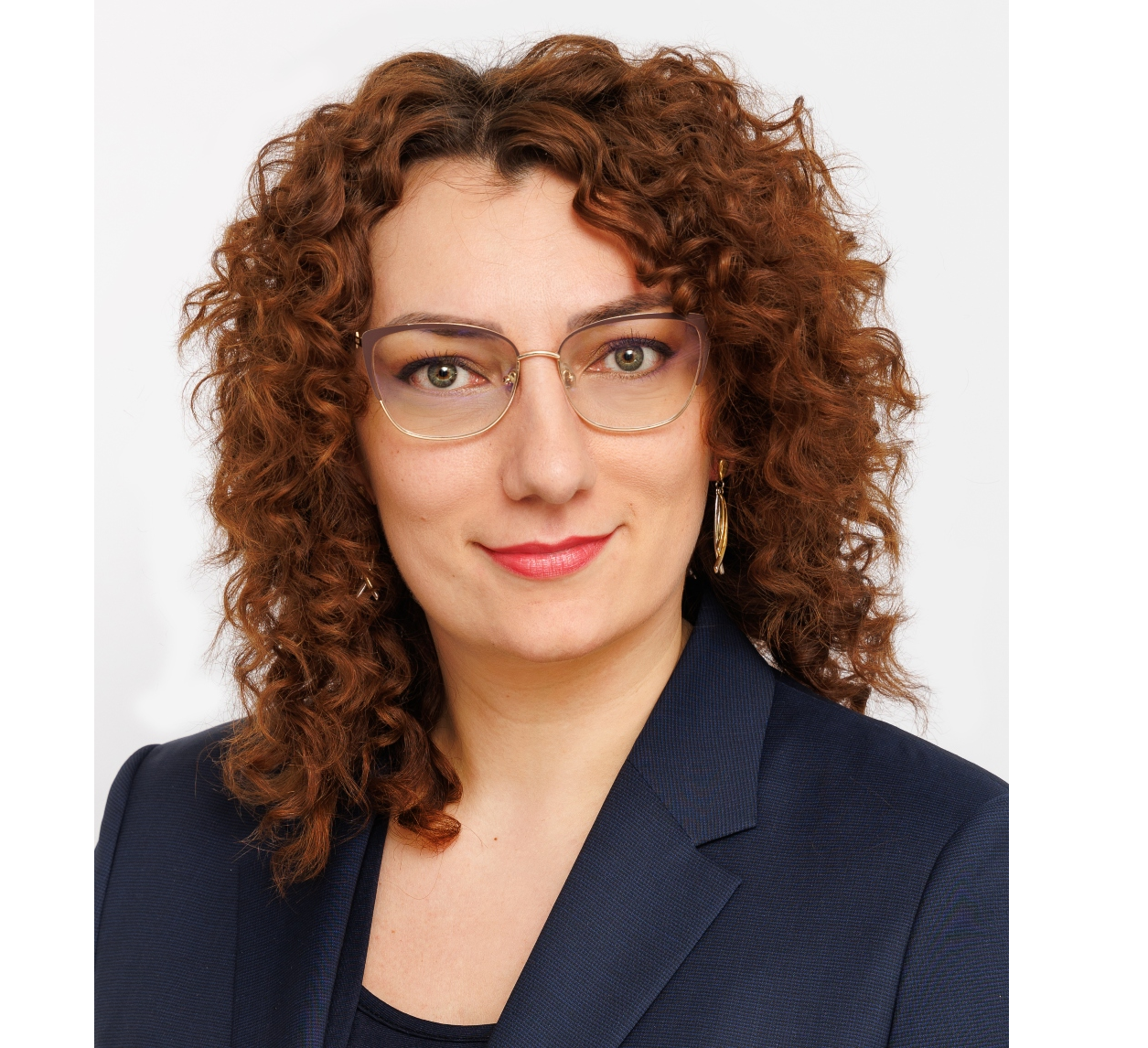
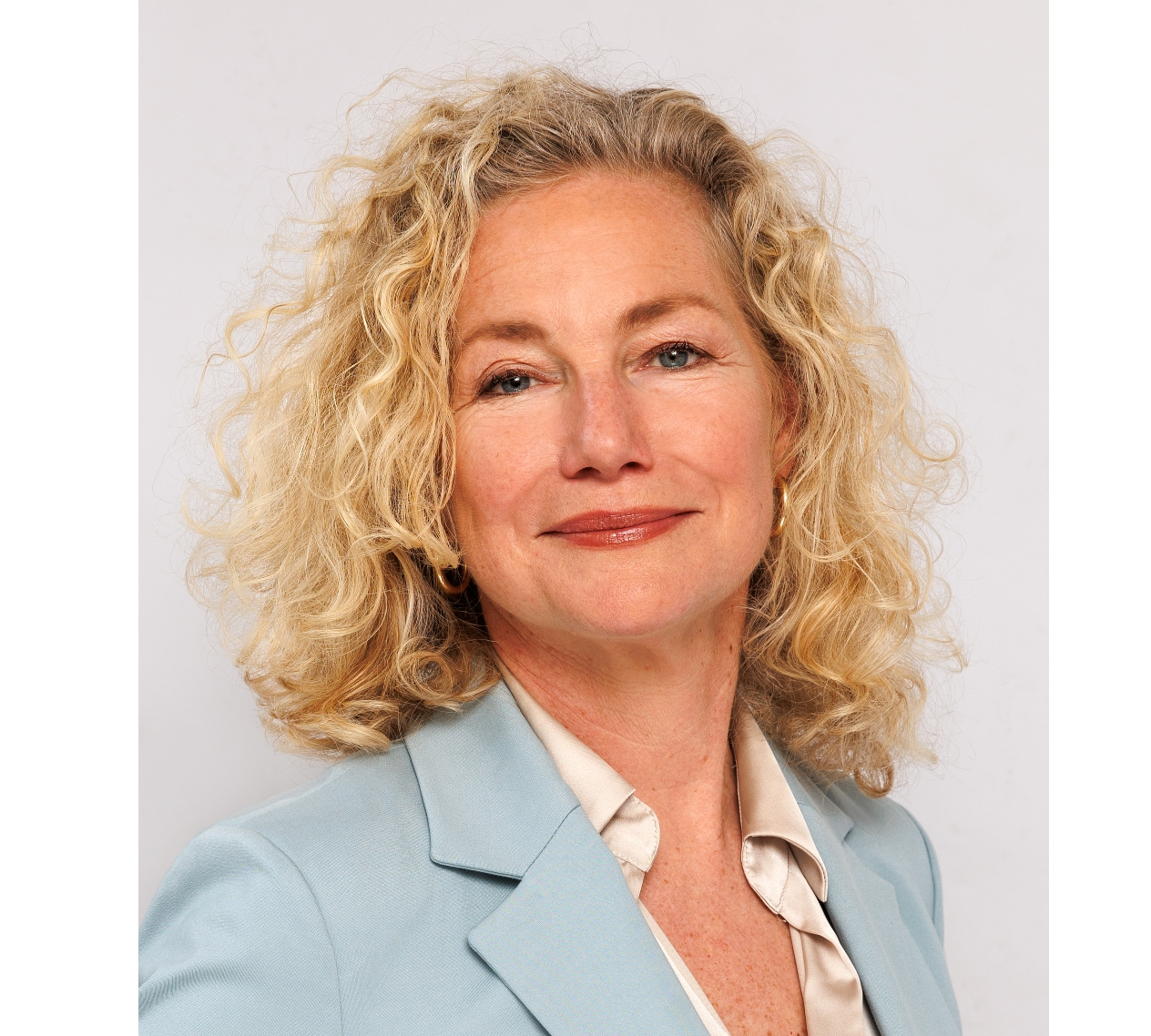
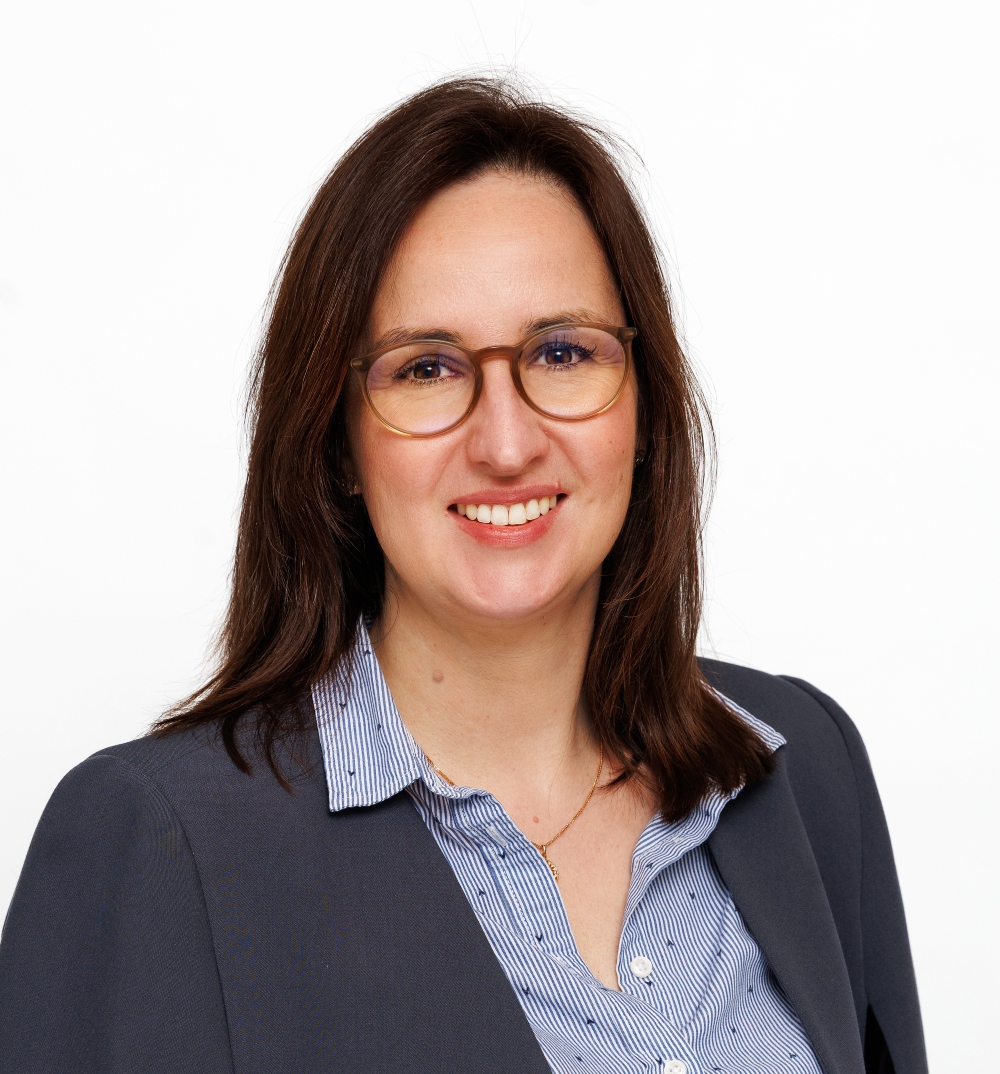
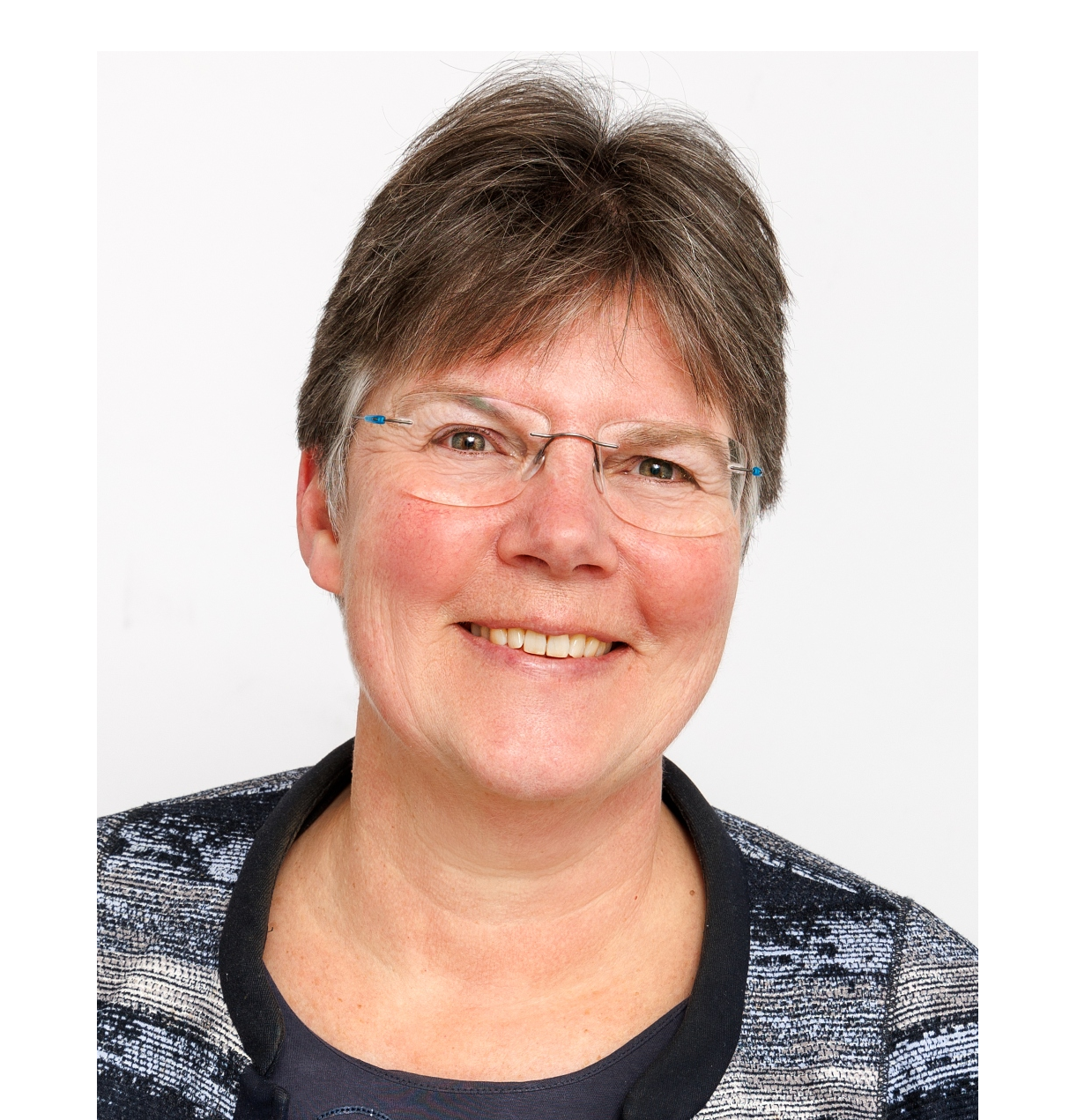
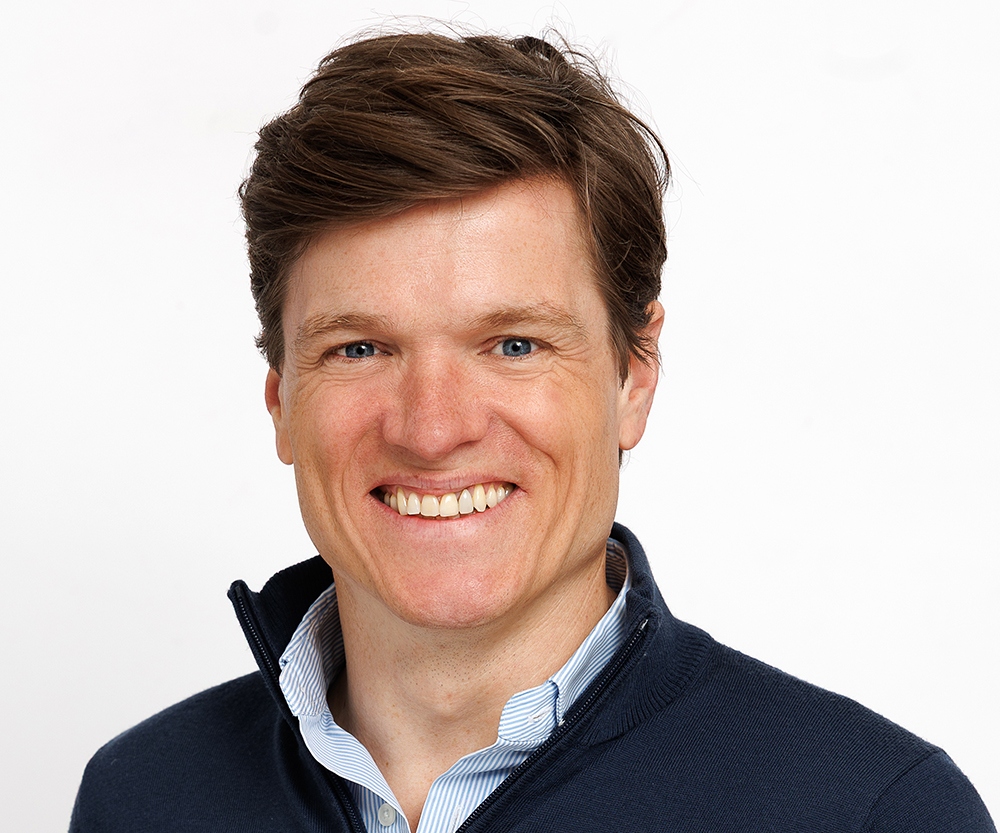
In our team of highly-qualified scientists, experts, operators and business development managers we are continuously looking for new ways of improving and developing our customers’ products and processes.
Commercial team
Ben van der Deen
Business Development Manager
Celine Brattinga
Marketing & Communications Manager
Evangelos Kontos
Business Development Manager
Fred van de Velde
Chief Scientific Officer (CSO)
Hang Nguyen
Marketing & Communications Manager
Hannah Blitzblau
Chief Contract Research Officer
Ioana Iorga
Strategic Sales Manager
Leonie Raamsdonk
Business Development Manager
Marta Batista de Sá
Business Development Manager
Nel Zoon
Senior Scientific Advisor
Nikolaas Vles
Chief Executive Officer (CEO)
Punita Manga
Business Development Manager
René Floris
Chief Innovation Officer (CIO) & Community Manager Food Innovation Campus
Robyn Eijlander
Science Innovation Manager
Susann Bellmann
Head of Sales
Expertise leaders
Anneloes Groenenboom
Project Manager Fermentation
Durita Allersma
Project Manager Processing
Els de Hoog
Principal Scientist Taste & Texture
Emma Teuling
Project Manager Protein Functionality
Eric Hester
Senior Scientist Bioinformatics
Erwin Berendsen
Project Manager Fermentatie
Gabriele Gross
Principal Scientist Health & Microbiology
Guido Staring
Scientist Advanced Analytics
Guus Kortman
Scientist and Senior Project Manager Microbiomics
Hans Tromp
Senior Scientist Protein Functionality
Herwig Bachmann
Principal Scientist Microbiology and Fermentation
Jochen Effey
Site Manager Pilot Plant
Jolanda Lambert
Segment Lead for team Health and Nutrition
Karin Beekmann
Segment Lead for team Microbiology and Fermentation