How “seed-to-plate” thinking could build better business in the protein transition
This article has also been published on Food Navigator Europe – read more here.
By Dr. René Floris, NIZO’s Chief Innovation Officer and Dr. Renske Janssen, NIZO’s Senior Project Manager Protein Technology
They say it takes a village to raise a child. And it takes a whole value chain to create a successful plant-based food product. But could an over-emphasis on individual goals be slowing the protein transition? An industry-wide consortium aims to find out if more cooperation and insight-sharing in the value chain could deliver better plant-based foods and more value for everyone involved.
Every business does its best to optimize the way it works and maximize the return it gets on its efforts. The players in the plant-protein value chain – breeders, farmers, ingredient processors and food manufacturers – are no different. Typically, each player in the chain looks at its own profit drivers. For a farmer, that might be the yield and level of protein in the crop, while a protein ingredient supplier may focus on the yield, flavour profile and functionality of the protein extracted from that crop.
However, the priorities of the different players don’t always align.
“The crops with the highest in-field protein levels might not deliver the most extractable protein,” explains Renske Janssen, Project Manager Protein Technology at NIZO. “Or soil and growing conditions that maximize crop yields may lead to higher levels of off flavours in the extracted protein. The result is compromise: in the quality of the food that reaches the consumer and in the value of the product that each player can sell into the chain.”
But what if the different players worked together to optimize the whole value chain? Could that raise overall quality and value for all players? And could it help deliver a protein transition that is truly sustainable, healthy and tasty?
These are the questions being posed by the PULSATING project. This four-year Dutch research initiative brings together companies “from seed to plate” to explore how decisions along the plant-protein value chain are connected. The goal is a blueprint for smarter collaborations that deliver better-tasting, more sustainable plant-based foods and greater value for each player in the chain.
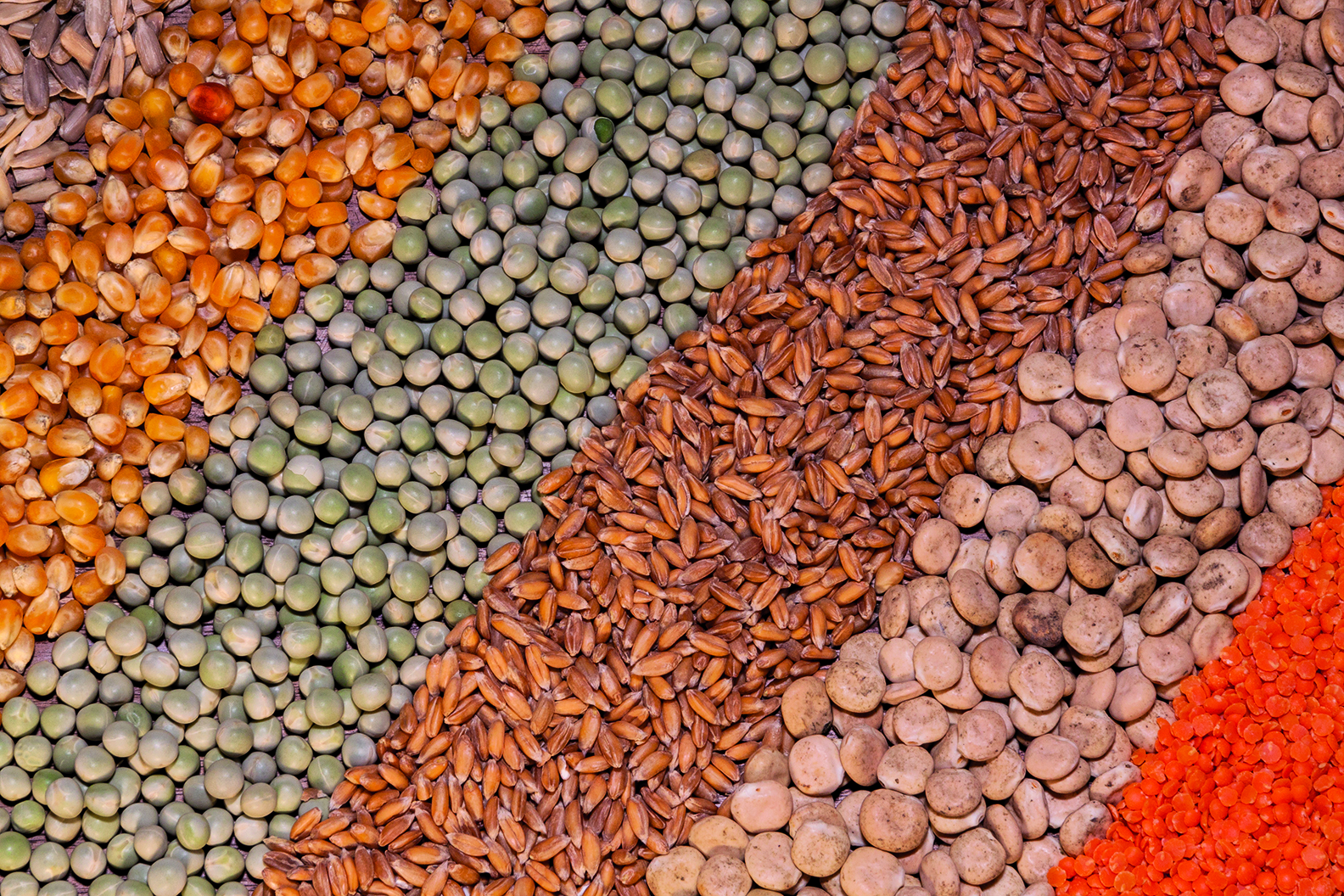
“To do that, the project is growing different cultivars of chickpeas, soybeans, and fava beans – side-by-side but under different conditions. After harvesting, we apply different ingredient processing methods like dry fractionation and wet isolation to explore their impact on things like functionality and taste. Finally, we evaluate how the resulting ingredients perform in applications such as bakery, dairy alternatives and meat substitutes,” says Renske.
Take the above example of protein yield. Breeders currently look at creating cultivars with higher yields, disease resistance and reliability of the final crop. Farmers choose the appropriate cultivars and look for growing conditions to enhance those levels and deliver high crop yields. Ingredient processors, on the other hand, are interested in how much protein they can extract from a crop. Different extraction techniques can increase this extraction yield but could also affect the functionality of the extracted protein, so the processor’s extraction choices may be limited.
If the breeder and farmer instead thought about cultivars and conditions that maximize the extractable protein yield for different extraction techniques, they give the ingredient processor more freedom to choose the extraction technique that delivers the best protein product. They also ensure they have a more saleable product with potentially higher margins for themselves.
That insight sharing goes both ways. By understanding upstream challenges, ingredient processors and food manufacturers can design their own processes to support their upstream partners and ensure a more bountiful and economic supply of the raw materials they need. For example, by choosing extraction and processing techniques that work better with cultivars that grow to a height that makes them easier to harvest.
“It’s not about any one group dictating to any other. It’s about how each decision taken can benefit the whole value chain – and ultimately the consumer,” Renske adds.
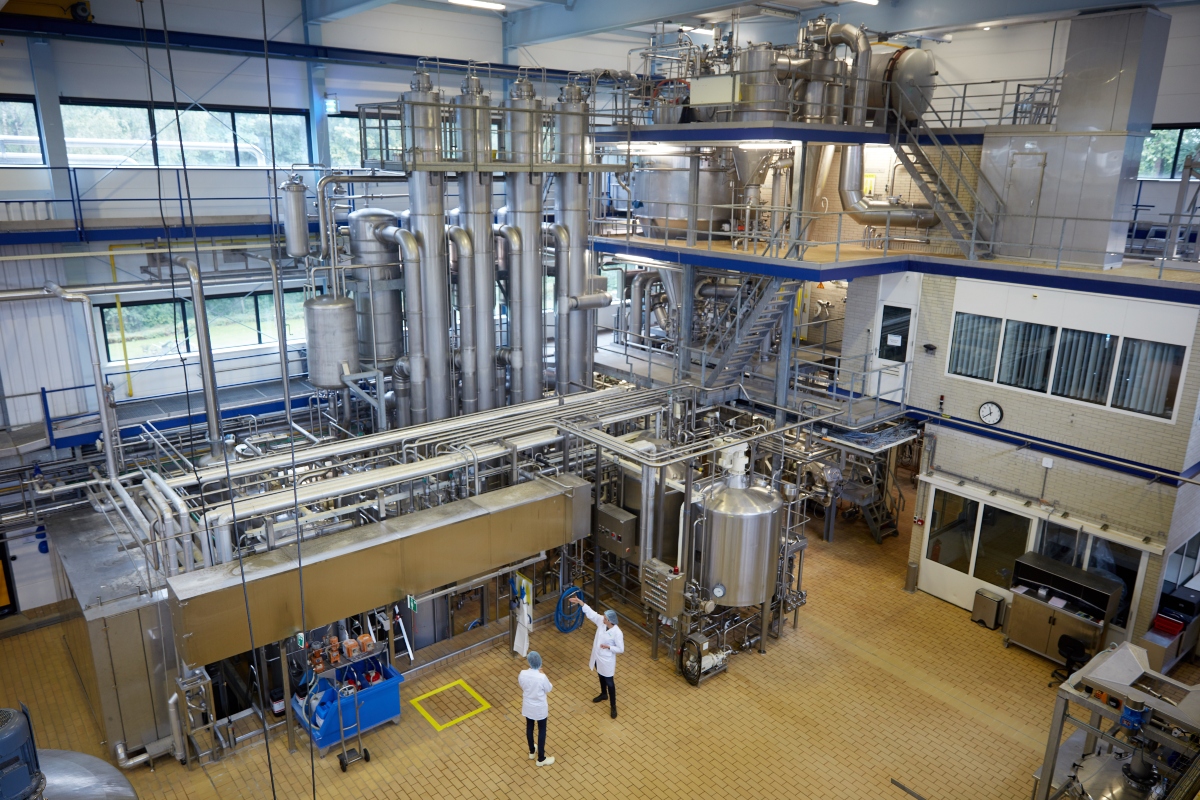
The PULSATING project also aims to promote cooperation across the value chain by understanding which issues can be handled at which stage. Take flavour, for example. The ideal plant protein will have a neutral flavour profile with no off flavours. Off flavours are linked to specific volatile compounds. Typically, ingredient processors try to choose extraction techniques that minimize the level of these compounds in the protein ingredient, and food manufacturers either mask the remaining off flavours through careful product formulations or remove them with processes steps such as fermentation.
But some off flavours could be eliminated in the crop itself, by either breeding new cultivars or selecting growing conditions that reduce the level of relevant compounds. But which makes most economic sense: controlling flavour in the field or the factory? The answer will depend hugely on the specifics of each case. But the PULSATING project wants to generate real-world data that will give each player a voice in that conversation. That improved cooperation should mean better flavour profiles while allowing each player to focus their own resources where they add most value.
Increasing the consumption of plant-based proteins could have a big impact on global emissions and efforts to combat climate change. And by improving the quality and economics of plant-based products the PULSATING project could help drive the protein transition forward.
But the project is looking to go further, by exploring the impact of farming practices on end products. It is comparing various conventional and regenerative farming techniques to see what difference they make.
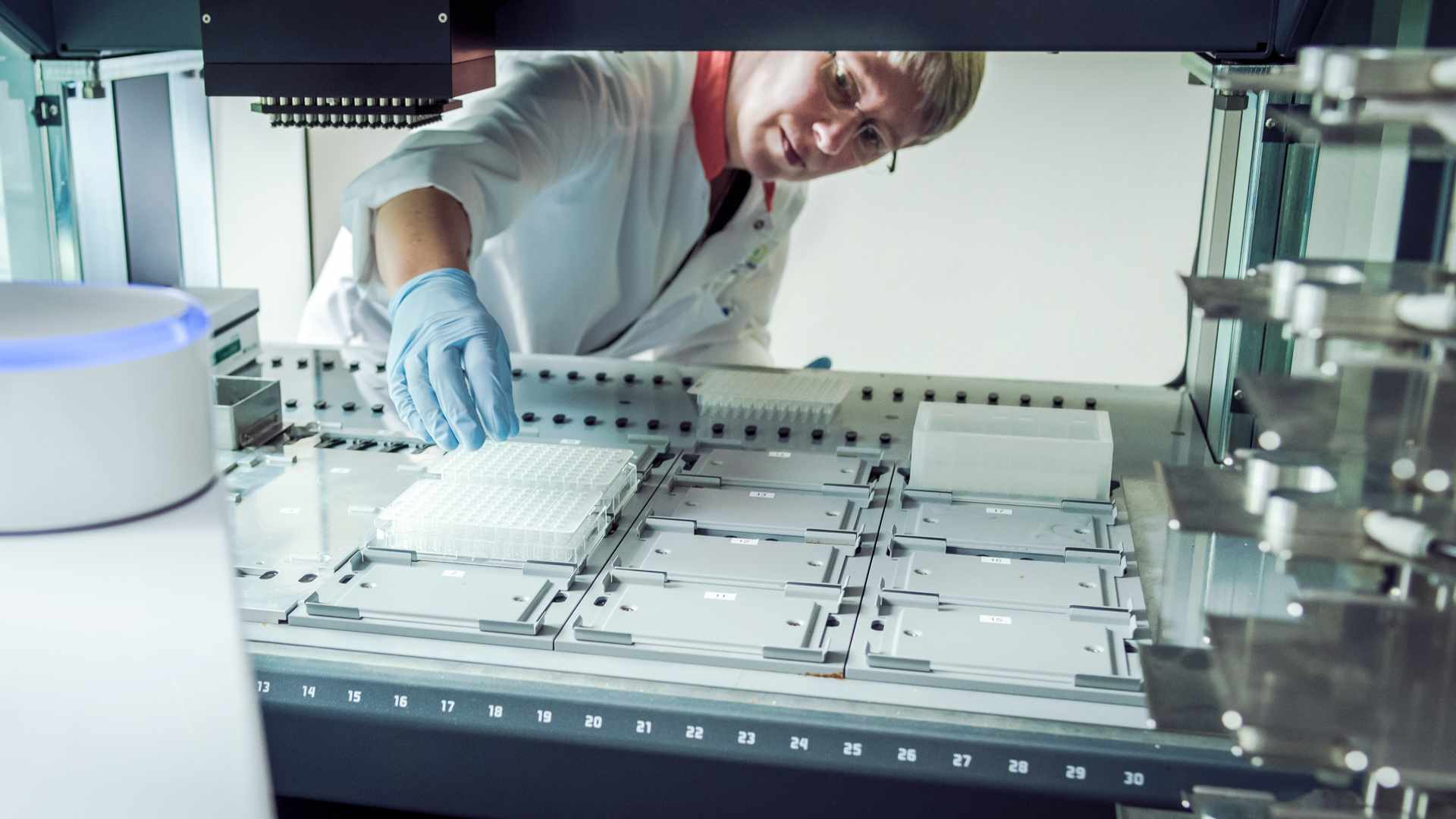
“It’s early days, but there do seem to be differences in things like protein extractability and flavour profiles between regenerative and conventional farming. We see that in the analytical data and in what we taste ourselves. The differences can be quite big, but it is complicated. It’s not that regenerative practices always increase or decrease a certain flavour. We are collecting data that we hope can help us better understand how farming practices influence these properties,” says Renske.
The data gathered should help interested parties build a business case for (regenerative) farming, and provide a starting point for choosing the cultivars, growing conditions and later processing techniques that work best and deliver the most overall value.
The protein transition involves more than just swapping animal protein for plant protein. It requires a complete rethink about how value chains work together. The PULSATING project shows that when breeders, farmers, processors and manufacturers share insights and align their goals, the result can be better-tasting products, smarter use of resources and stronger business cases. It’s early days, but the message is clear: the future of plant-based food won’t be built in silos. It will be built in collaboration.