Groundbreaking research to unlock the role of human milk components in neonatal brain development
International collaboration between NIZO Food Research, University of Twente, and CarboCode aims to advance next-generation infant nutrition
Ede and Enschede, The Netherlands & Cantanhede, Portugal, February 11, 2026
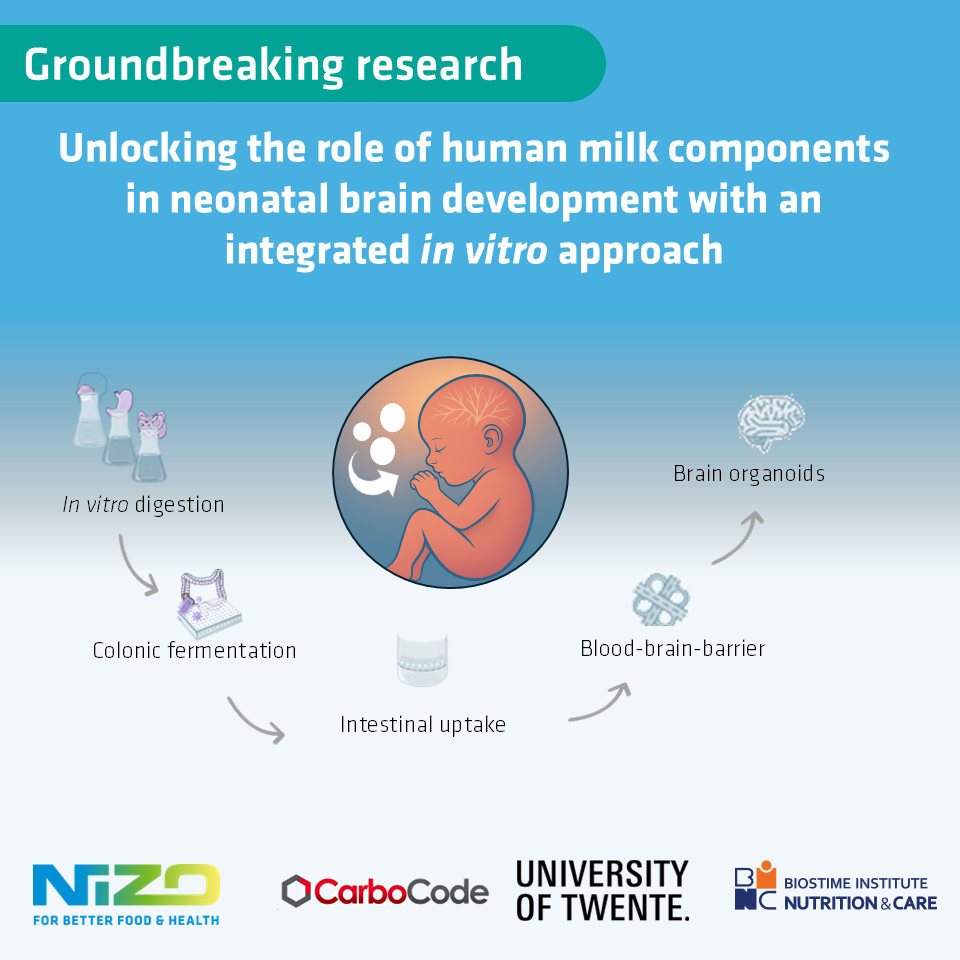
NIZO Food Research, University of Twente (UT) and biotech company CarboCode joined forces launching an ambitious research project to investigate how a key component of human milk, ganglioside GM3, influences early brain development. The project is partly funded by the Biostime Institute’s Research Partnership Program, whose support enabled this pioneering work. The study uses a unique first-time integrated in vitro approach that powerfully maps relevant physiological processes in the human body, from GM3 ingestion and absorption to its potential effects on brain development.
The early life brain develops at an unparalleled pace, faster than at any other time in the human lifespan, underscoring the critical importance of optimal nutrition in the earliest days. Breast milk is widely recognized as the optimal source of nutrition for newborns, containing bioactive compounds that support healthy cognitive development. One class of complex lipids in breast milk, named gangliosides, plays a specific role in processes such as neurogenesis and synapse formation. However, research on the exact effects of these molecules on the developing brain is limited. There is a strong interest in opportunities to supplement infant formula with gangliosides in order to support neonatal brain development and to achieve a composition that is closer to human milk.
CarboCode has developed the synthetic ganglioside GM3, identical to the form found in human milk. The goal of this project is to simulate how GM3 is digested and absorbed in the human body and to investigate its effects on biomarkers for neonatal brain development that are relevant for infant cognition.
“At CarboCode, we believe glycosphingolipids have the power to transform human health. Our technology uniquely enables the production of human-identical gangliosides at scale for the first time, making access to these critical compounds both viable and sustainable. By creating representative GM3 ganglioside and partnering with leading research organizations, we are advancing the scientific understanding of GM3’s role in infant brain development and laying the foundation for the next generation of nutritional solutions.” – Jorge Santos, Chief Executive Officer, Carbocode
A Unique Approach
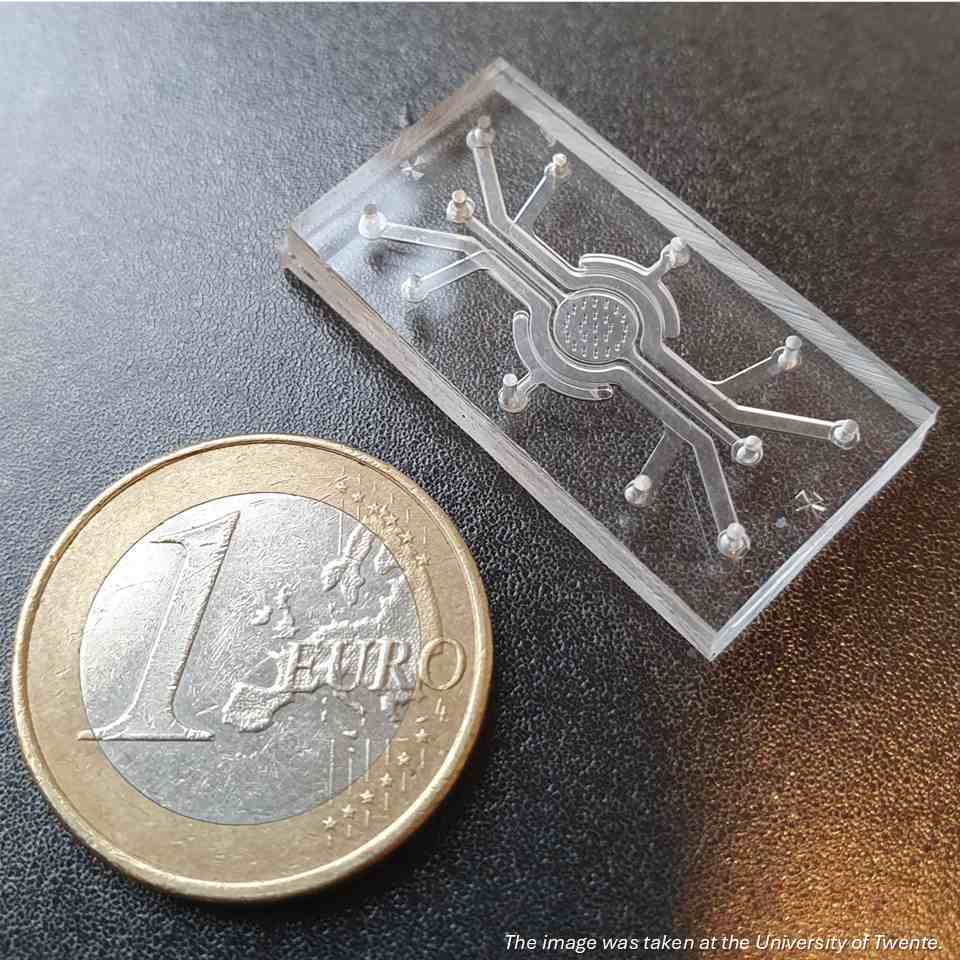
What makes this project truly distinctive is the integrated and highly collaborative research strategy. NIZO and the UT combine their complementary expertise to recreate all relevant physiological processes – from digestion, microbial metabolism, absorption to finally its potential effects on brain cells – using advanced in vitro human models. By connecting these models in a pipe-line, the project can follow GM3 along its entire journey through the body and generate mechanistic, human‑relevant data that cannot be obtained through traditional animal studies. This approach offers an unprecedented level of biological insight and will help determine whether GM3 has measurable effects on biomarkers for neonatal brain development that are relevant for early life cognition. The results will offer valuable indications of GM3’s potential role in early life nutrition and for its inclusion in nutritional solutions aimed at narrowing the gap between infant formula and breast milk.
“At NIZO we study biological processes in the gastrointestinal tract including digestion, gut microbiota metabolism and absorption — providing the foundation for this project. The unique link with the University of Twente’s advanced brain‑related models allows us to follow GM3 all the way from the mouth through the gut to its potential effects on the brain, offering unique insights.”Dr. Gabriele Gross, Principal Scientist Health & Microbiology at NIZO
Collaboration and Funding
The project is a collaboration between NIZO Food Research, University of Twente and CarboCode. It is partly funded by the Biostime Institute for Nutrition & Care, a non-for-profit organization dedicated to advancing scientific research and strengthening professional knowledge in the fields of maternal and infant health and nutrition. Biostime Institute’s decision to fund this work underscores the unique opportunity this project offers to advance our understanding of GM3 in early‑life nutrition.
“The impact of nutrition on neonatal brain development is major. However, gaining insights into the precise action of dietary components on human brain development is challenging as a result of lack of human models and human identical breast milk glycolipids that allow for physiologically relevant recapitulation of the route of foods from mouth to brain. In this unique and exciting project we will now, for the first time, leverage the potential of integrating a series of highly advanced human in vitro models to provide insights into the impact of nutrients on brain development.” – Prof. Dr. Kerensa Broersen, Full professor Applied Stem Cell Technologies at the University of Twente and Senior Scientist Health and Digestion at NIZO
This project represents a significant step towards understanding how nutrition shapes cognitive development in early life. By combining scientific excellence with innovative modelling, NIZO, University of Twente, and CarboCode aim to deliver insights that will inform the next generation of infant nutrition solutions.
“As part of our mission to support the scientific and healthcare community in driving innovation and improving early-life health outcomes worldwide, the Biostime Institute is supporting this research project focused on the study of gangliosides as key lipid-components in human breastmilk. Awarded under the 2025 Biostime Institute Research Partnership Program, this project has the potential to generate major scientific insights that could help to further close the gap between breastmilk and infant formulas. This is a unique public-private partnership combining strengths of academia, scientific research institute and industry that will contribute to the advancements in infant nutrition research and applications in paediatric healthcare.” – Dr. Hanno Cappon, Chairman of the Biostime Institute for Nutrition & Care