ECONEXT – Enabling protein CONcentrates for EXTrusion
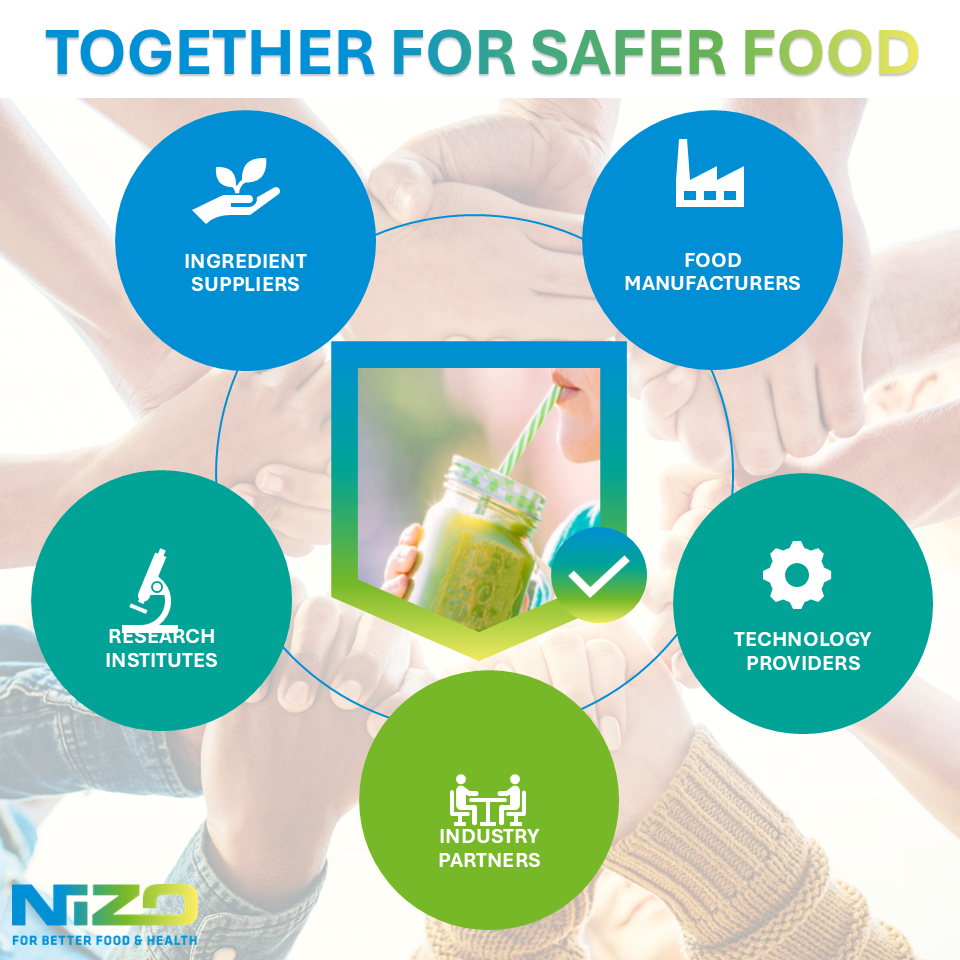
The ECONEXT project brings together partners from across the value chain to unlock the full potential of dry fractionation technology. This approach drastically reduces energy use in plant-based protein production, while enabling a shift to crops grown in the Netherlands and the EU.
The Netherlands aims to source at least 50% of its proteins from non-animal sources by 2030. But producing plant-based proteins at scale is often more energy-intensive than conventional meat processing. The dominant method — wet fractionation — requires vast amounts of water and energy for drying. There is an alternative technology available, dry fractionation, that offers a significantly lower industrial energy consumption. It even results in protein ingredients with approximately 87% lower GHG emissions. However, it faces functional and sensory hurdles that limit its widespread application, for example in meat analogues.
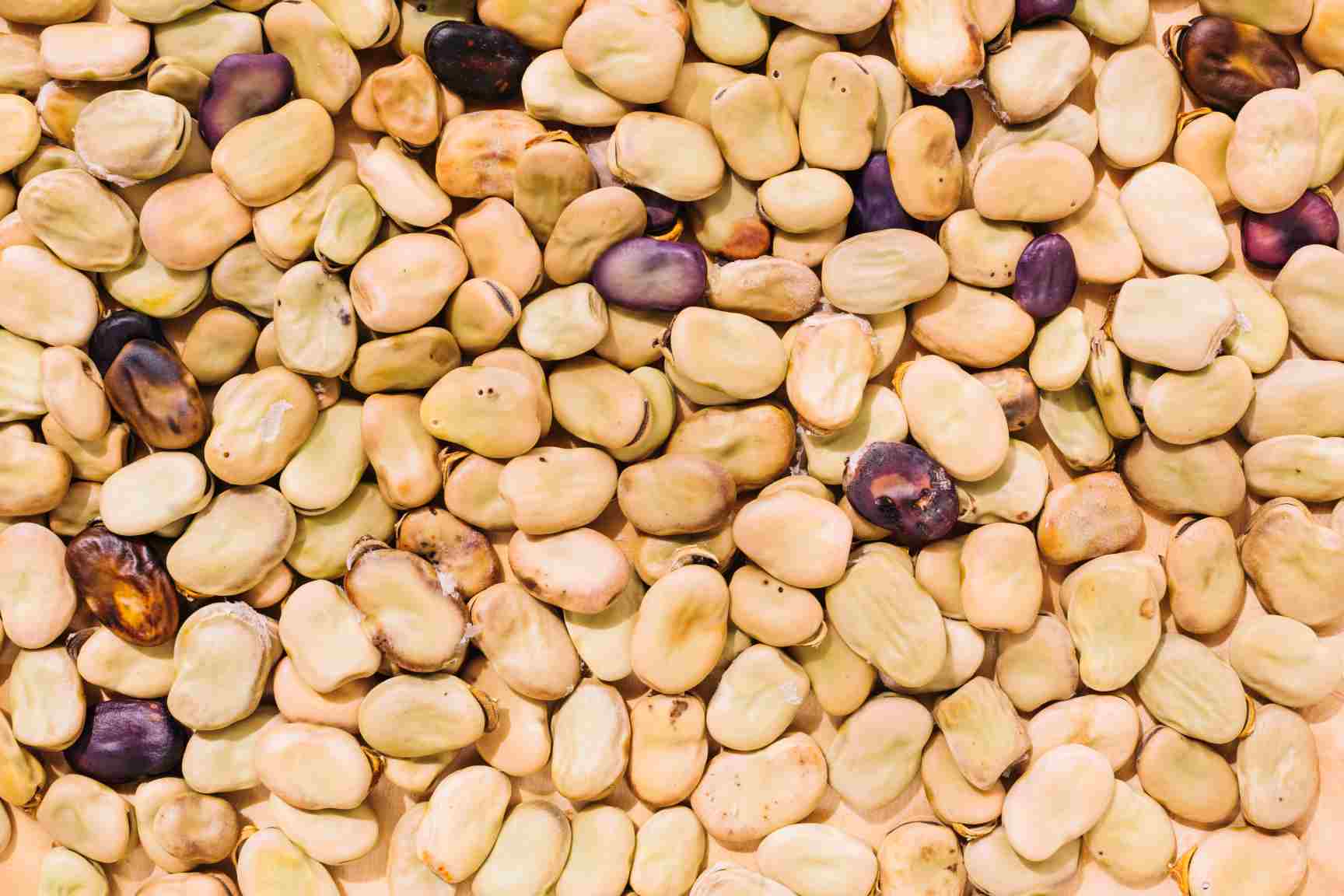
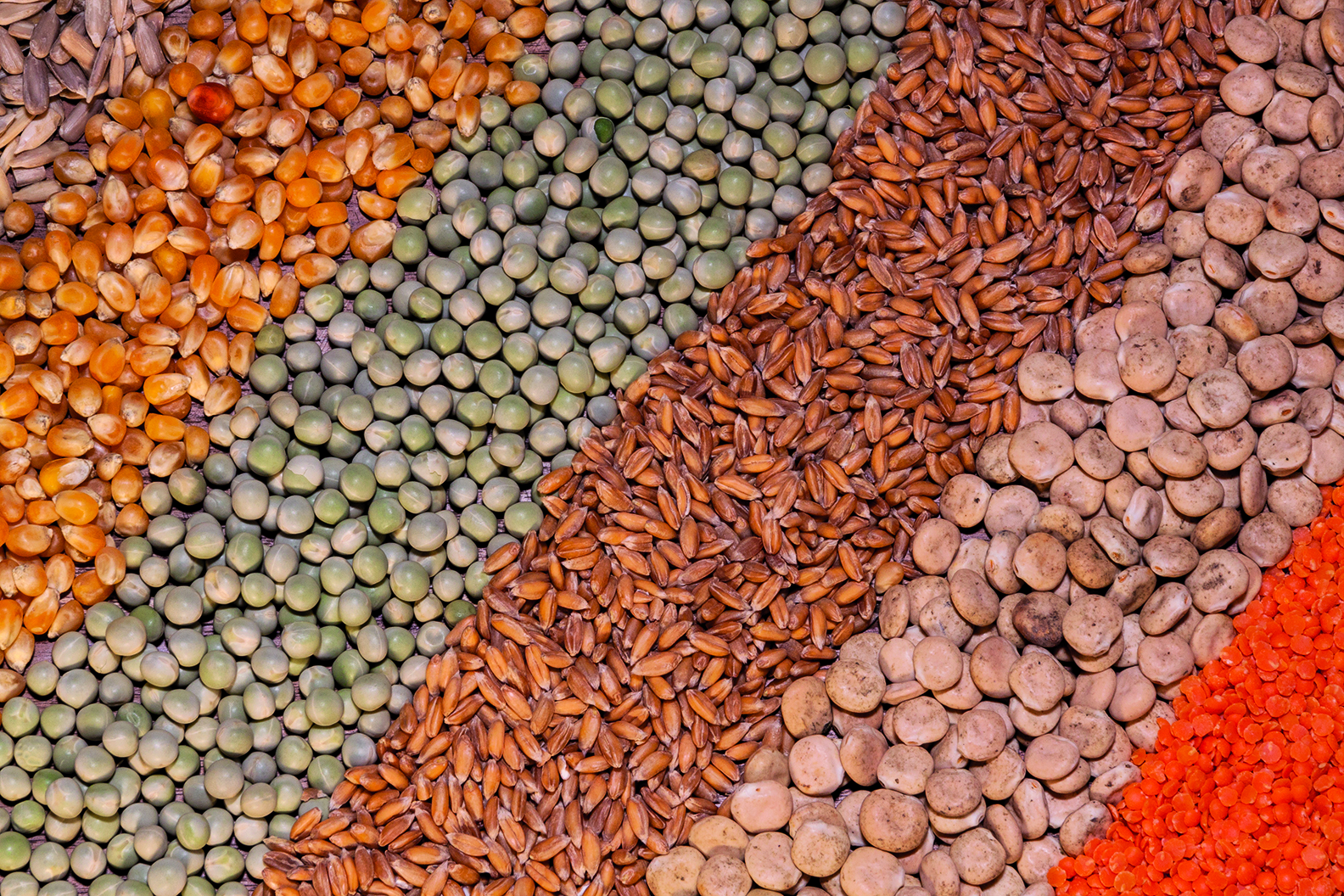
ECONEXT is a collaborative innovation project focused on improving the processing performance of dry-fractionated protein ingredients. The aim: to develop science-based strategies that enhance their use in high-moisture extrusion, especially in products like meat analogues. The project targets local crops such as yellow peas and faba beans that can be grown in the Netherlands, instead of imported crops like soy beans. The project addresses issues like powder flowability, viscosity of the protein dispersion, off-flavours, and texture.
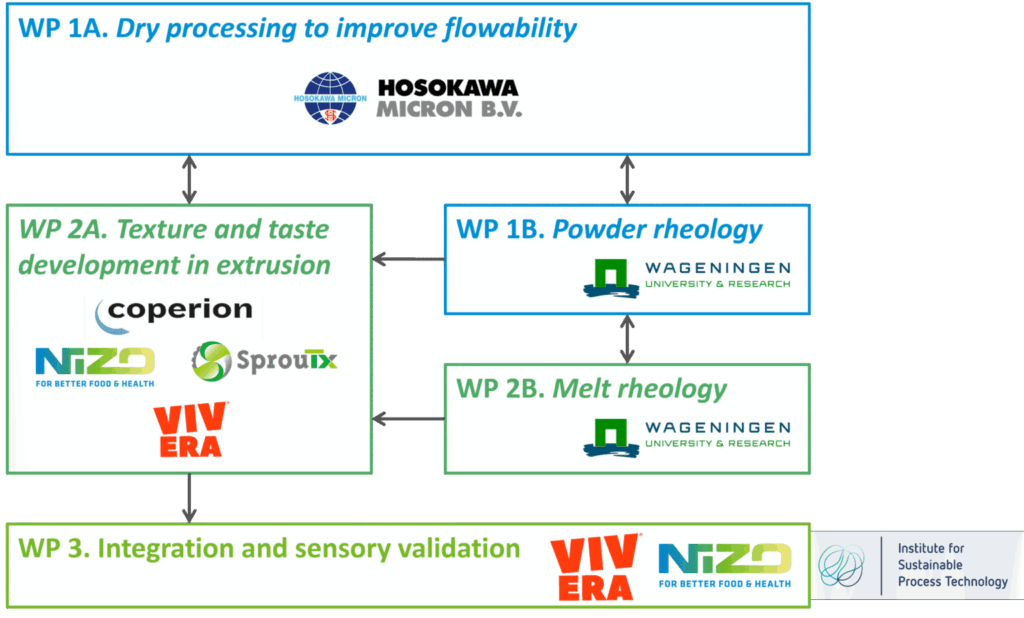
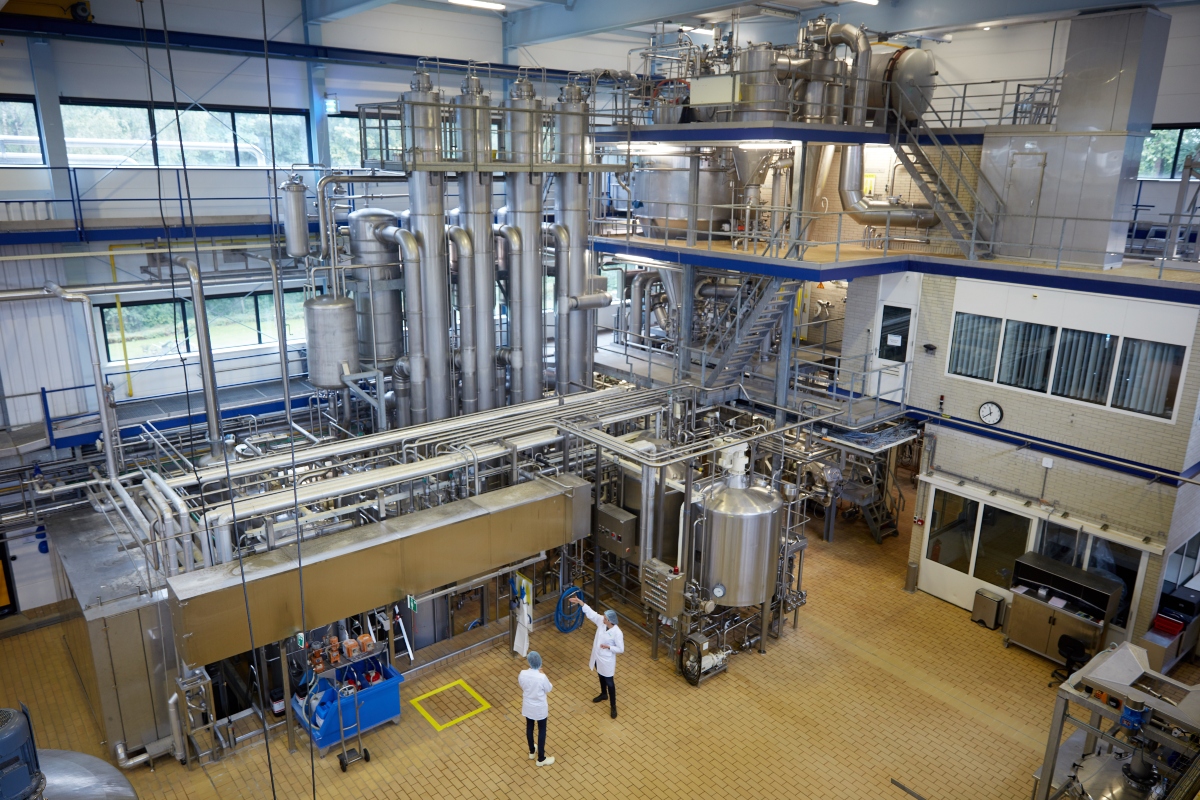
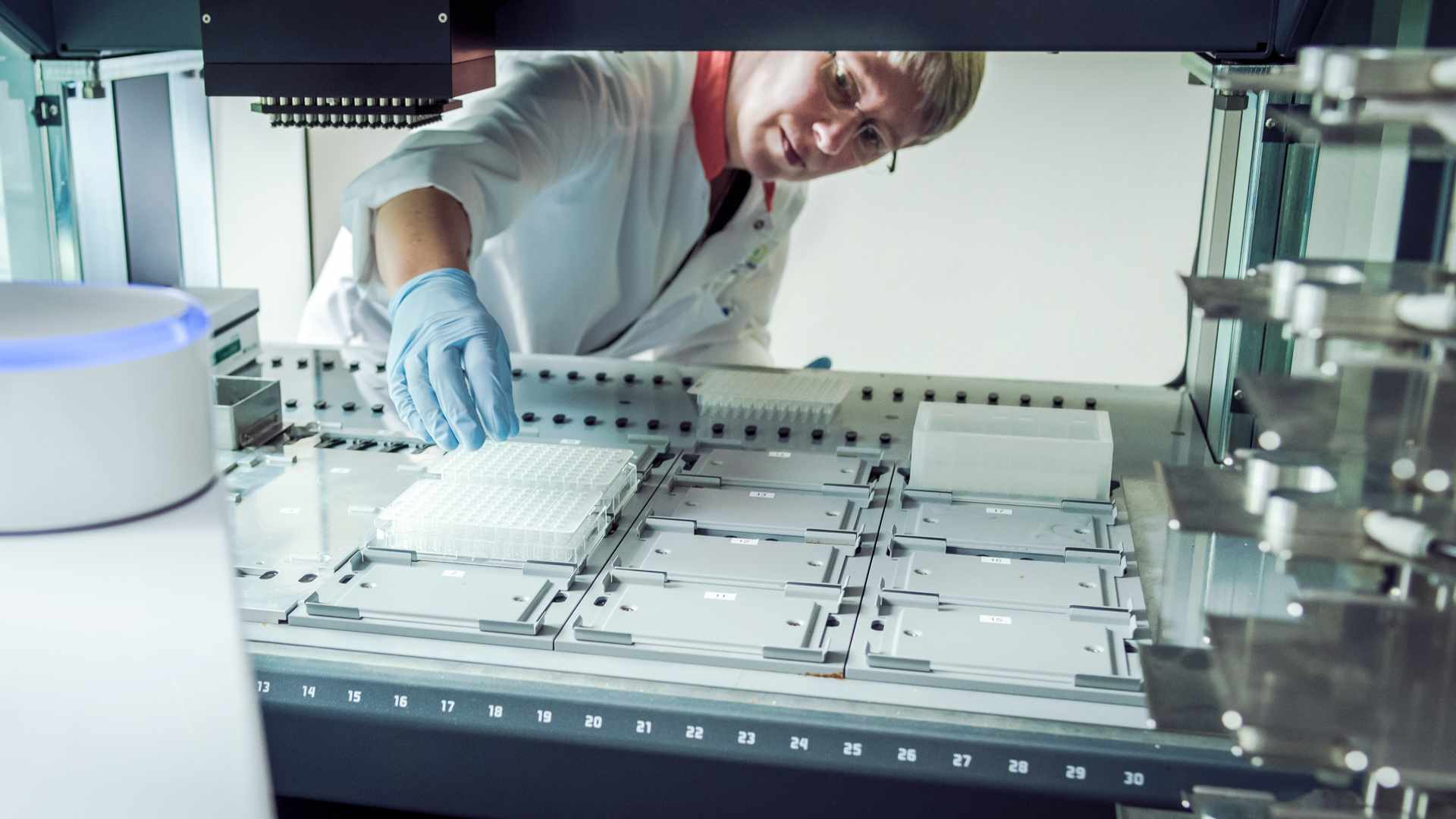
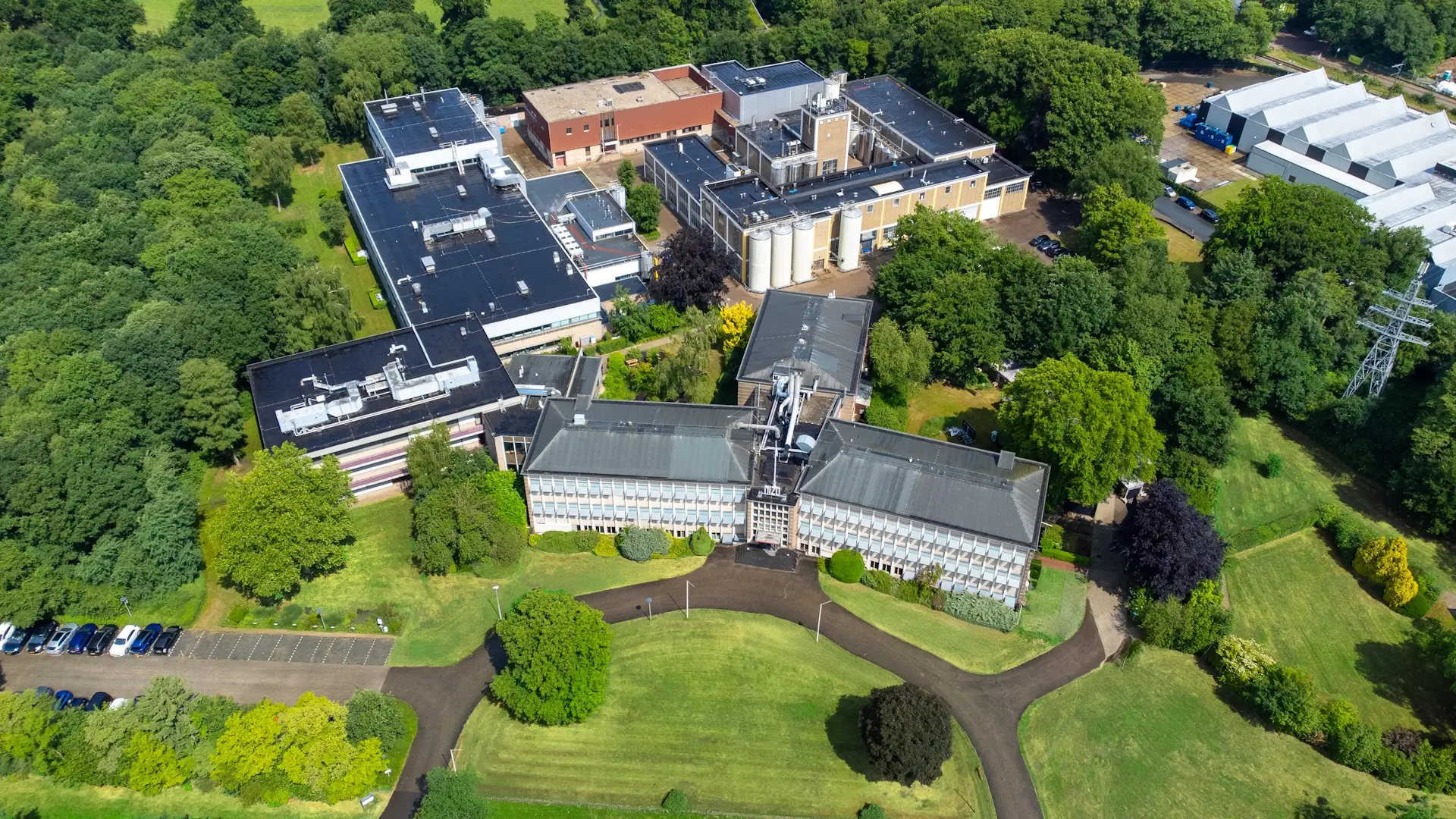
In week 9 of 2026, the NIZO team spent an intensive week at Hosokawa Micron, together with partners from Wageningen University & Research, running a large experimental campaign to improve the flowability of dry fractionated protein concentrates.
Over the course of the week:
These trials delivered a large dataset and valuable insights that will help us better understand how processing conditions influence powder functionality and performance.
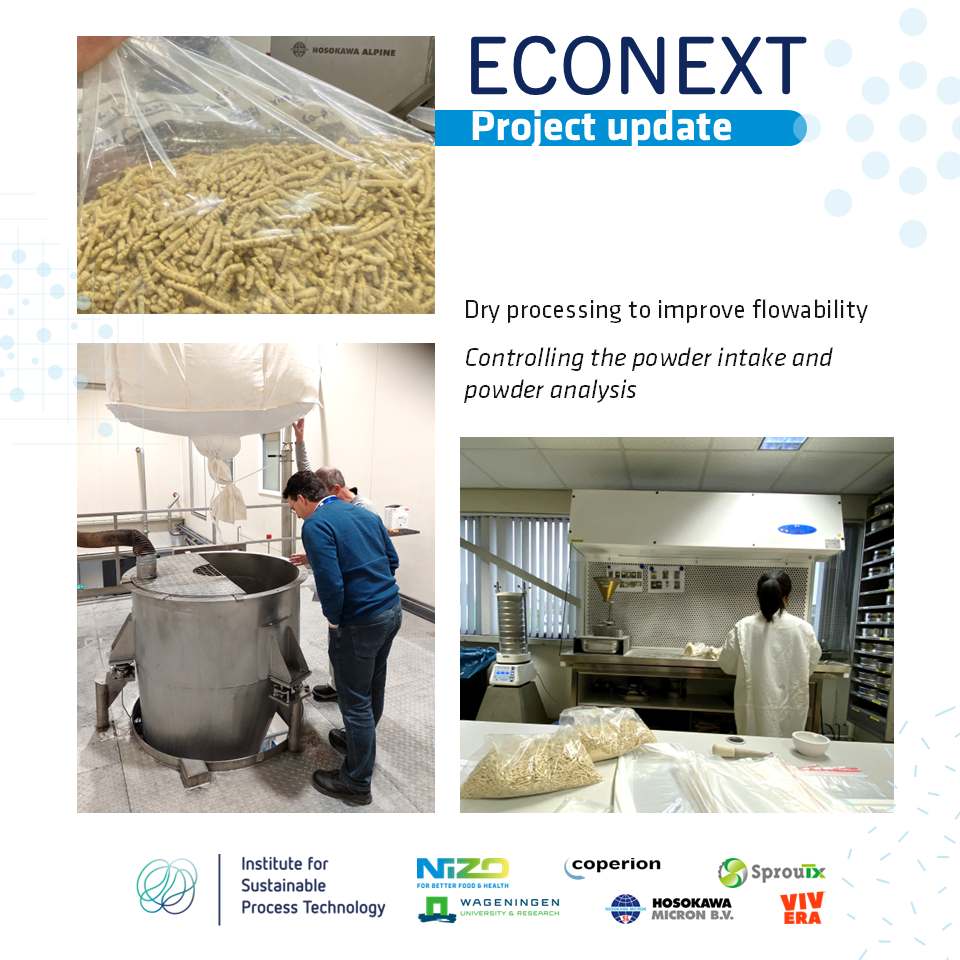
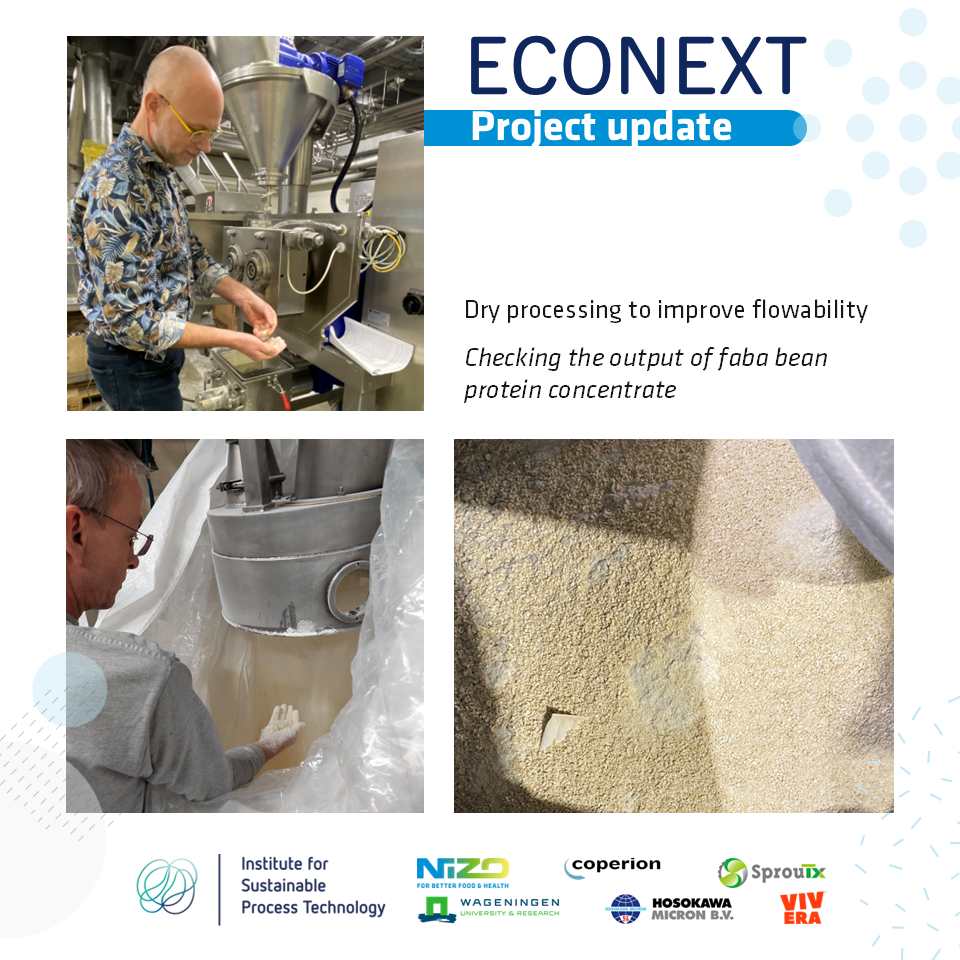
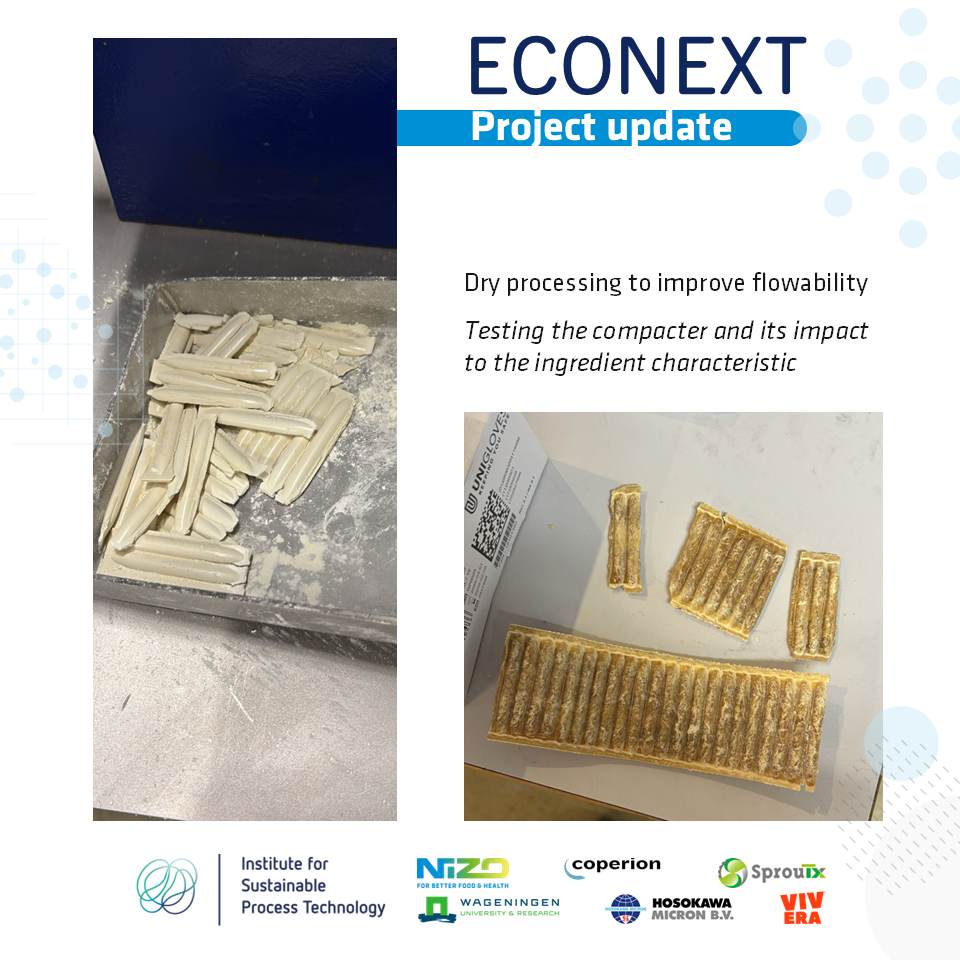
Industry wide challenges can be solved much quicker and cheaper by joining forces.
If you have an interest in co-creating knowledge, you have an idea that you want to discuss please do contact our Chief Scientific Officer Fred van de Velde.