TKI consortium: Sustainable Plant Fractionation
Reducing GHG emissions, increasing value
The conventional extraction methods for raw materials from crops require significant inputs of energy and chemicals. In addition, there can be significant material losses in the process and components can lose nutritional value and functionality.
However, a mild process of dry and wet fractionation can substantially reduce emissions by up to 80% while retaining the nutritional value of the ingredients. As a result, food products will become healthier, containing more fiber and essential micro-nutrients. Moreover, these ingredients may exhibit different functionalities compared to those produced through traditional processes.
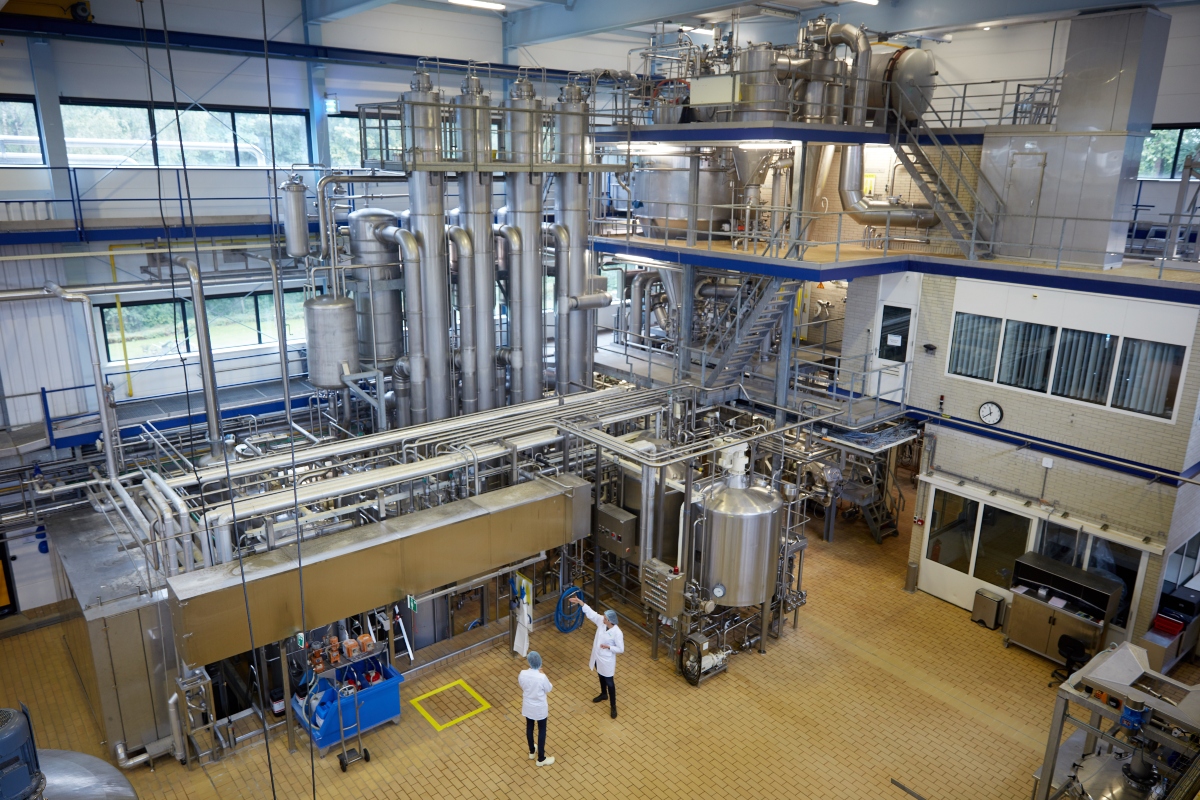
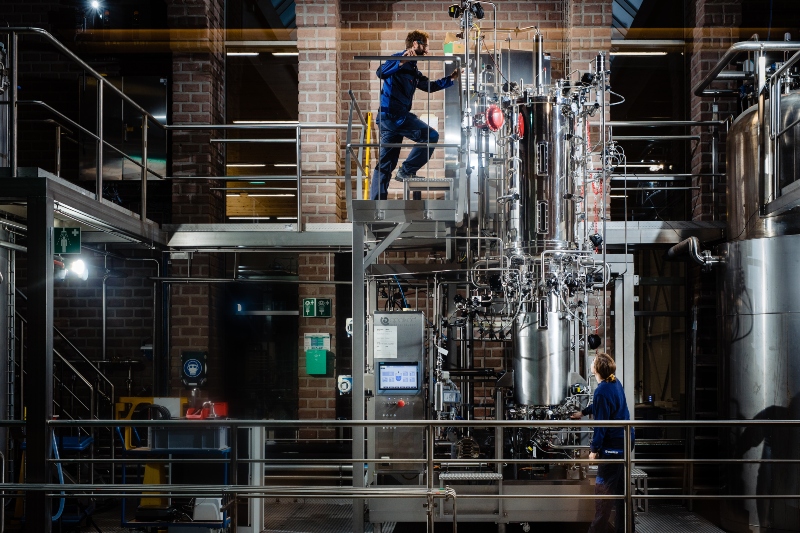
This project will take a comprehensive multidisciplinary approach to gentle processing by combining the expertise of different disciplines. A menu will be created that consist of processing methods for a range of plant-based ingredients with different applications.
Pulse proteins like pea, faba bean, and lentil are increasingly used in plant-based foods to meet growing consumer demand. However, manufacturers have long faced a challenging trade-off: conventional wet processing provides high purity but is incredibly water-intensive, while dry processing saves water but limits ingredient purity.
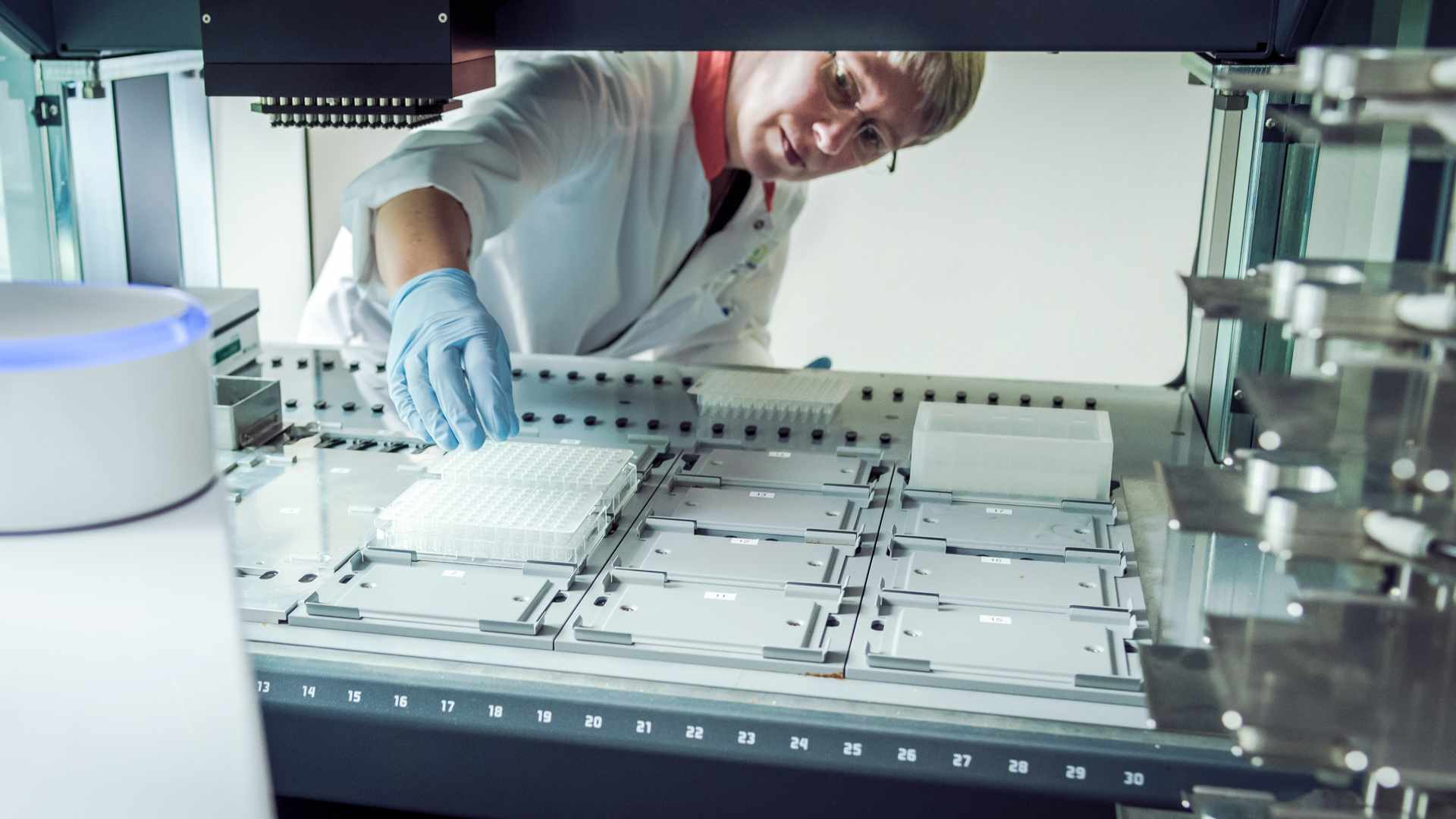
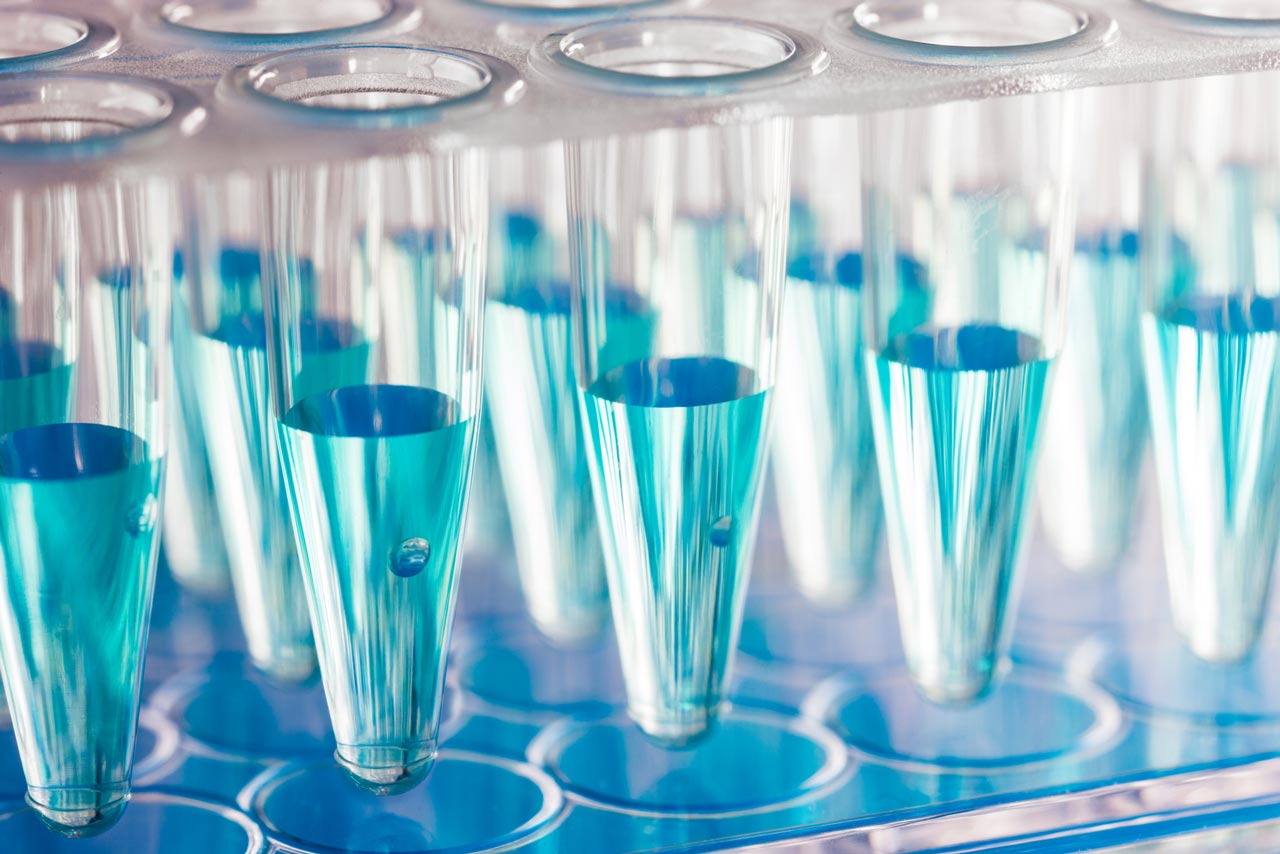
To resolve this bottleneck, our processing and functionality teams at NIZO performed a comprehensive screening across multiple variables to evaluate a smarter alternative: hybrid fractionation. This study involved a rigorous testing matrix:
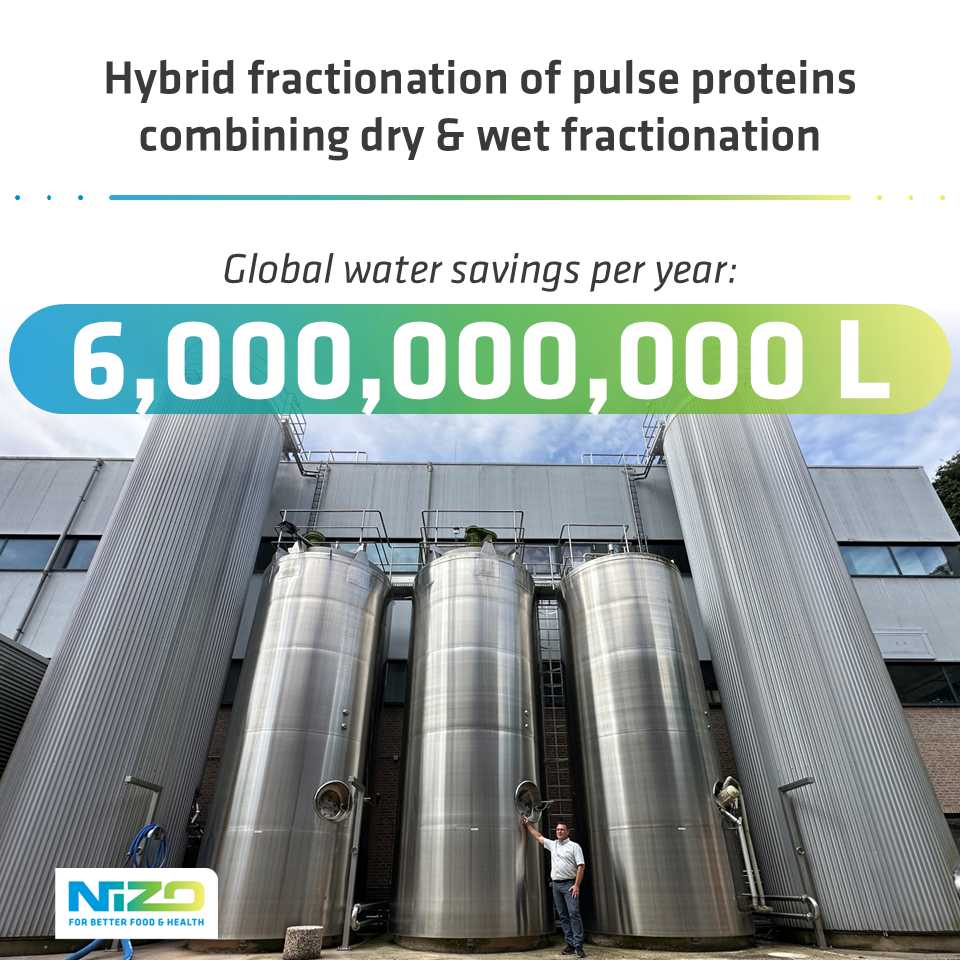
Our research demonstrates that combining dry and wet fractionation methods can reduce extraction water demand by a staggering 40% compared to conventional wet methods. Based on global production assumptions for pulse protein isolates, implementing this hybrid technique could theoretically lead to a water reduction of approximately 6 billion liters of water savings per year.
Crucially, this lower water use does not come at the expense of ingredient functionality or protein quality. The resulting fractions consistently demonstrated:
This work has been published in the journal Future Foods. The paper was co-authored by our experts: Dr. Emma Teuling (Project Manager Protein Functionality), Dr. Fred van de Velde (Chief Scientific Officer), and Prof. Peter de Jong (Professor Sustainable Dairy & Food Processing, and Program Director Sustainable Process Innovation).
Our full findings, methodologies, and datasets are fully open-access. You can read the complete paper online via ScienceDirect.
The objective is to enhance the overall utilization of crops for the production of valuable food products, thus optimizing land use while minimizing greenhouse gas emissions. This will be achieved through the implementation of a mild food processing method that requires less energy and preserves the nutritional value of the ingredients.