The untapped value of microbial fibre
This article has also been published on Food Navigator Europe – read more here.
By Dr. René Floris, Chief Innovation Officer, Dr. Emma Teuling, Project Manager Protein Functionality and Dr. Guus Kortman, Scientist Microbiomics.
Fermentation is booming across the industry. But what do you do with the leftover biomass? Emerging research suggests microbial fibre could enable food products with targeted health benefits – and turn waste into a profitable new revenue stream.
“If you pass small stools, you need big hospitals.” That quote from Dr Denis Burkitt – surgeon, dietary fibre pioneer and author of 1979’s Don’t forget fibre in your diet – sums up the long-established link between fibre and health. However, many Western diets are still worryingly low in fibre: average daily intake is just 12-14g in the US and 18-24g in Europe, far below the recommended 28-42g.
“The fibremaxxing trend has turned the social media spotlight on this fibre gap,” says Emma Teuling, Protein Functionality Expert at NIZO. “Like most social media trends, fibremaxxing will probably have a short shelf life. However, while the maxxing buzz will fade, fibre awareness is likely to stay.”
Fibre is essential to keep the digestive system working smoothly, helping reduce the risk of colorectal cancer and inflammatory bowel disease. It also brings benefits beyond gut health.
Beneficial bacteria within the gut digest fibre molecules and produce metabolites that trigger effects throughout the body. This can help boost the immune system, lower cholesterol and reduce obesity. It could also influence the gut-brain axis leading to beneficial changes in mood, emotions, sleep patterns, appetite, cognition, motor function and even brain health.
Within the food industry, there is growing appreciation that specific fibres can deliver targeted health benefits. Research from RMIT University in Australia suggests that a fibre’s specific health benefits are linked to factors such as molecular structure, water-holding capacity and fermentation rate.
Among the more studied examples are the beta-glucans. For instance, 1,3-1,4 beta-glucans found in oats and barley have been shown to modulate the gut microbiota and reduce blood glucose and cholesterol levels. Meanwhile, 1,3–1,6 beta‑glucans from yeasts and fungi are recognized for their ability to modulate the immune system and have also shown potential anti‑microbial and anti‑cancer effects.
“But beta-glucans are just one class of fibre. Finding other novel fibres could open the door to a host of new health-promoting foods. And fermentation is the perfect place to look,” Emma adds.
Recent years have seen an explosion in fermentation in food production. Yeasts, algae, bacteria and filamentous fungi are all being used to improve texture, taste and shelf life or as a source of protein, oils and other nutrients.
“Besides these target food components, microorganisms also contain fibre – in some cases, fibres that aren’t found in plants.” Emma explains. “Typically, this fibre is thrown away in waste biomass after the target food components are extracted. But could we exploit it in food products?”
Doing so could help tackle the fibre gap through “high fibre” versions of familiar products, analogous to the now common high protein products. Finding novel fibres could also enable food products that offer targeted health benefits. Both possibilities turn what is currently waste into a highly valuable and lucrative sidestream for companies involved in biomass fermentation.
“Apart from some beta-glucans and exopolysaccharides, microbial fibres haven’t been extensively studied,” says Guus Kortman, Senior Project Manager Microbiomics at NIZO. “So, while there is a growing understanding and ecosystem around fermentation as a source of valuable biomass, the industry doesn’t yet know which fibres might be produced by commercial fermentation processes and whether they have specific health benefits.”
The food industry has recently started on answering these questions. For example, the Edible Microorganisms Consortium[i] is analysing the potential role of microbial fibre in creating more sustainable and resilient food systems. A public-private collaboration part-funded by the Dutch government, the consortium is taking a holistic approach to the use of microbial fibres including:
Research is ongoing but has already turned up interesting initial results. The consortium has identified yeasts, bacteria, fungi and microalgae that contain levels of fibre of suitable composition and basic technical functionality (such as texture-giving characteristics) to be interesting for food applications.
Meanwhile, an initial survey of 300 consumers found a large majority were open to eating foods containing microorganisms “to a certain extent”. This suggests products based on microbial fibre could find a willing market, especially among the more health conscious. Further customer acceptance studies will focus more specifically on the perception of microbial fibres in food products and the impact of health claims on the perceived value of those fibres.
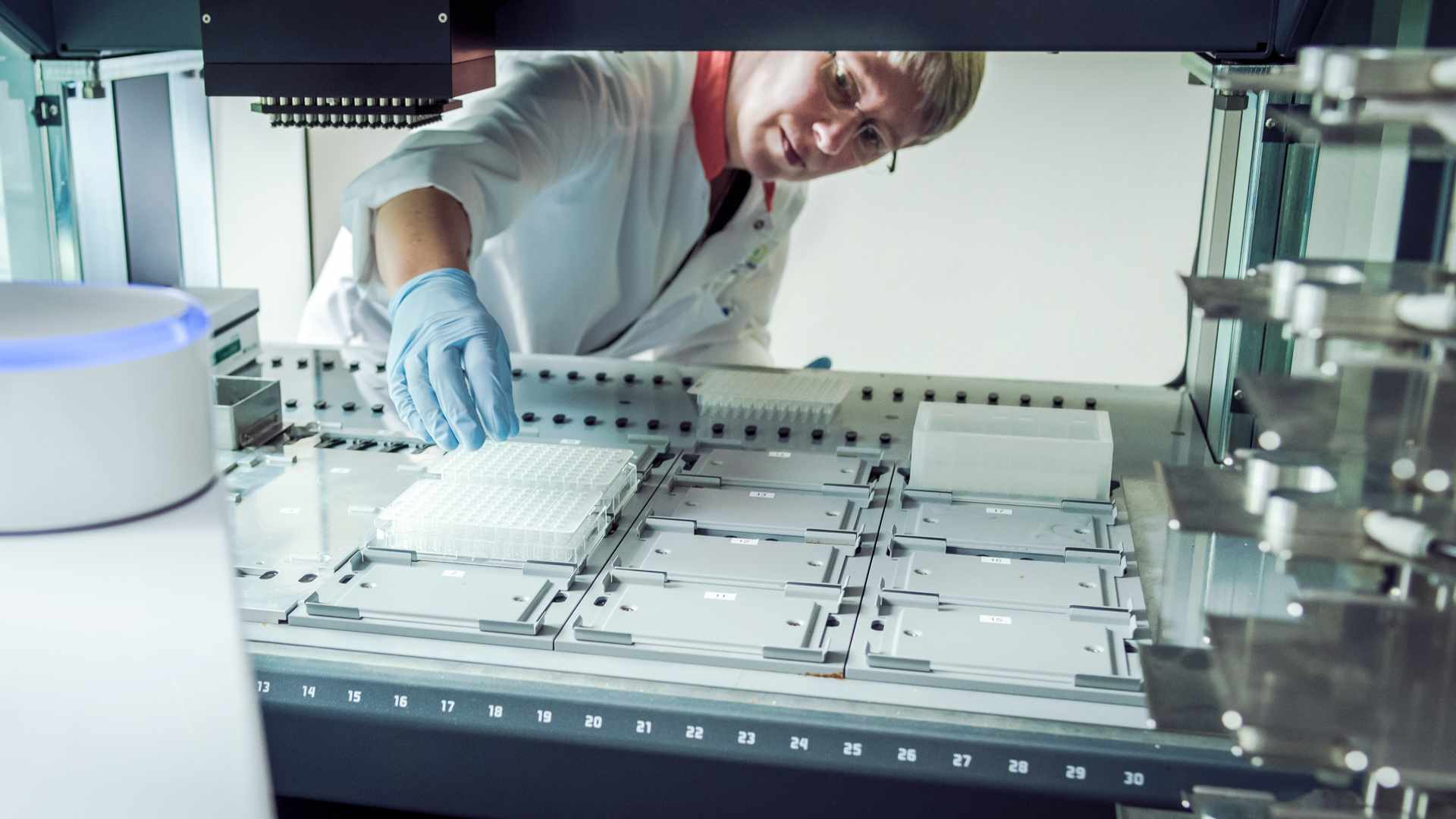
The health benefits themselves are being explored using a pipeline of in vitro models developed by NIZO to mimic the human gastro-intestinal tract. In this pipeline, simulated digestion and small intestine absorption models remove digestible components. Non-digestible components pass on to a model of the large intestine. Fermentation of the non-digestible components by gut microbes and the resulting metabolites are explored using NIZO’s MicroColon (faecal fermentation) system and intestinal epithelial and immune cell models.
Using the pipeline, the project has shown that fibres from microbial biomass can potentially survive conditions in the stomach and small intestine to reach the large intestine. Furthermore, it has found clear and consistent dose–response effects on the production of beneficial short-chain fatty acids (SCFAs) during faecal fermentation, with different microbes stimulating different profiles of SCFA production. These results suggest that microbial fibres do indeed have potential to deliver specific health benefits through the targeted modulation of the gut microbiome metabolism.
Another key area of investigation is how production and extraction methods affect a fibre’s health impact and usability in food products. This includes exploring how biomass fractionation – i.e. using whole cells, disrupted cells or extracted fractions at different levels of purity.
“These pipeline studies have two goals,” explains Guus. “Naturally we want to identify candidate fibres that have a real health or nutritional benefit and the potential for application in food products. But we also want to further establish a platform for screening new fibres as they emerge in the future, helping expand the range of fibres available to the food industry over the coming years.”
By increasing the industry’s understanding and portfolio of edible microbial fibres, research such as this lays the foundation for new generations of targeted health products. Products that look and taste like familiar foods while boosting the immune system, reducing inflammation or enhancing emotional wellbeing.
For companies running fermentation at scale, it promises a compelling commercial opportunity: transforming waste biomass streams into high-value functional ingredients.
[i] This project receives financial support from the Top Sector Agri & Food. Within the Top Sector, the business community, knowledge institutions and government work together on innovations for safe and healthy food for 9 billion people in a resilient world. This TKI Edible Microorganisms Consortium is scheduled to run from 2024 to 2027.