Edible Microbes Consortium Update: Unlocking Functionality, Gut Health, and Consumer Acceptance and Safety Insights from Microbial Biomass


Microbial ingredients produced from yeasts, fungi, bacteria and microalgae are attracting growing interest as sustainable food ingredients. Within the Edible Microbes Consortium, researchers and industry partners are investigating how these ingredients can contribute to healthier and functional foods. Over the past few months, the consortium has generated new insights into how microbial ingredients behave in in food application, how they interact with the gut microbiome, how they can be processed safely, and how consumers perceive them.
BLOG POST TKI Edible Microorganisms – November 2026
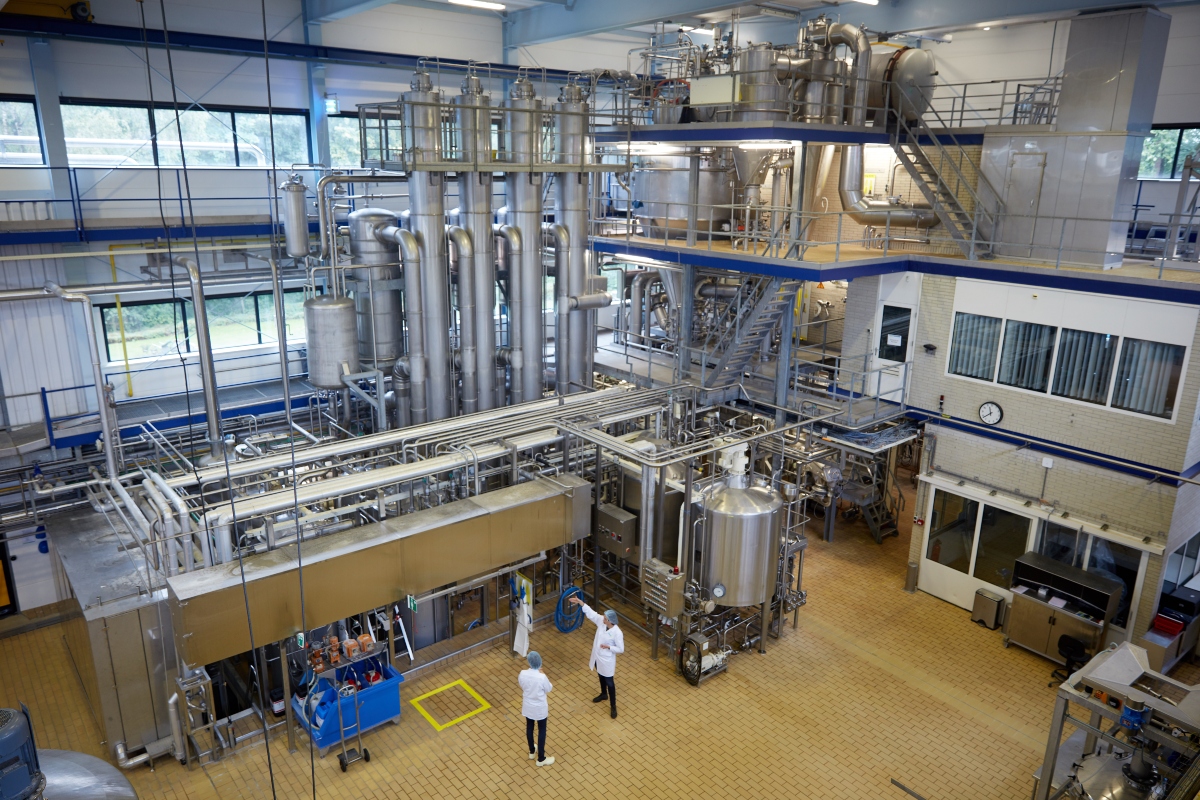
On September 24, 2026, the Edible Microbes Consortium team met at NIZO (Ede, The Netherlands) for a fruitful project progress meeting. The partners discussed the latest results and shared ideas for the next steps.
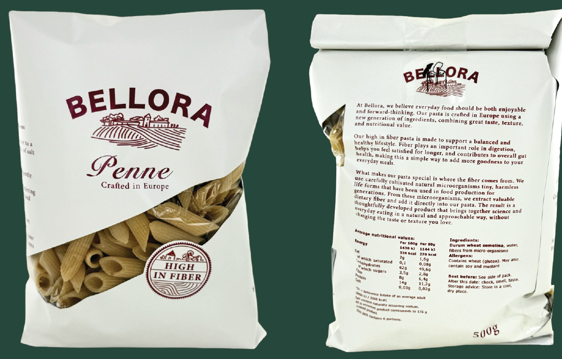
One of the consortium’s objectives is to understand how microbial fibres behave in food products. Recent research demonstrated that many of the ingredients possess valuable texture-forming capabilities. These functional properties can support the development of appealing textures and structures across a variety of food applications.
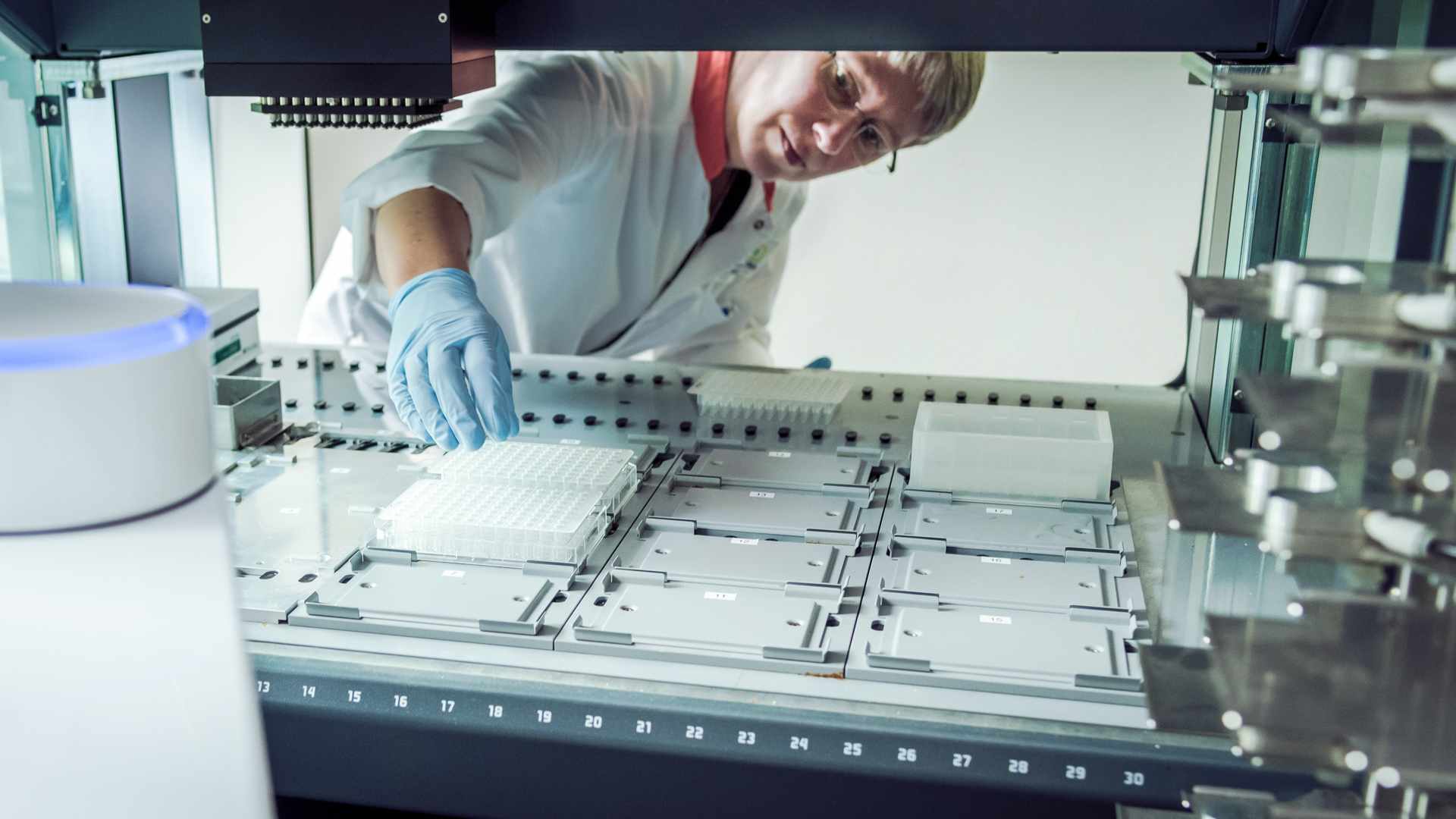
To better understand how microbial fibres might benefit our health, researchers are studying what happens to them as they pass through the digestive system and reach the large intestine. Fecal fermentation experiments using the NIZO MicroColon model showed that many of the tested ingredients stimulated the production of short-chain fatty acids (SCFAs) by the gut microbiota. More specifically, several ingredients promoted the formation of propionate and acetate, while some also stimulated butyrate production. SCFAs are associated with a healthy gut environment and are known toplay an important role in supporting overall health. The results also showed that microbial fibres are broken down differently between individuals, highlighting the important role of the individual gut microbiota in fibre utilisation.
The consortium further studied how digested microbial biomass affects the intestinal barrier in cell cultures. While responses varied between ingredients, some samples showed encouraging effects by supporting the development of a stronger intestinal barrier. Additional studies using advanced intestinal tissue models showed that fecal fermented microbial fibres (MicroColon supernatants) can influence biological responses in the gut, which will be looked at in more detail in the near future.
Screening of antimicrobial activity against selected foodborne and intestinal pathogens has been completed within this project. This exploratory work showed that digested microbial biomass samples in general had no or very limited capacity to inhibit growth of the selected pathogens.
Building on previous consumer studies, the consortium continues to investigate consumer acceptance of microbial ingredients. The latest findings show that people are generally more positive when clear health benefits are communicated and when ingredients are incorporated into familiar food products. Taste will be the main driver for rebuy. These insights help ensure that future microbial-based foods are not only beneficial, functional and safe, but also appealing and acceptable to consumers.
Partners are currently preparing a scientific review that combines consortium findings with the latest international research on microbial biomass ingredients. One important conclusion is that more knowledge is needed about how certain down-stream processing steps influence potential food safety risks. The review will provide practical guidance for edible microbes producers and food manufacturers, supporting the safe introduction of microbial ingredients into the food chain.
As the consortium progresses, the different work packages are increasingly converging. Functional analyses have identified ingredients with promising technological properties, while fecal fermentation and cell-based experiments are revealing how fibre-rich microbial biomass interacts with the gut microbiota and intestinal barrier. Safety assessments are strengthening the knowledge base required for responsible market introduction, and consumer studies are providing insight into the factors that may drive market adoption.
In the coming months, the consortium will:
Together, these activities will help unlock the potential of microbial ingredients as healthy, safe, sustainable and consumer-friendly solutions for the foods of the future.
This project receives financial support from the Top Sector Agri & Food. Within the Top Sector, the business community, knowledge institutions and government work together on innovations for safe and healthy food for 9 billion people in a resilient world. This consortium is scheduled to run from 2024 to 2027.