Industry leaders unite behind new guidance on managing spoilage risks by bacterial spores in plant-based ingredients
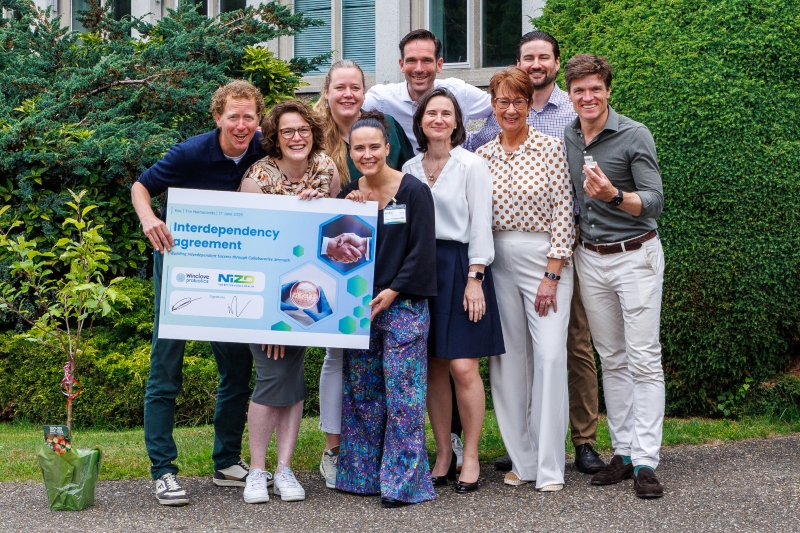
Ede, The Netherlands, 20 July 2026 – An industrial alliance consisting ofRipple Foods, Royal FrieslandCampina, Tetra Pak, SPX FLOW and HP Hood issues a statement on “Bacterial Spores in Plant-Based Ingredients Intended for Beverage Applications” (Appendix I), which is endorsed by NIZO Food Research (Appendix II).
The statement is the result of a unique pre-competitive research collaboration involving NIZO, HAS Green Academy, Wageningen University & Research, and 11 industry partners. Together, the consortium addressed critical knowledge gaps related to microbial safety and spoilage risks associated with plant-based ingredients used in plant-based dairy alternatives.
As the global market for plant-based beverages continues to expand, manufacturers face increasing challenges in ensuring product safety, quality and shelf life, especially when formulating low-acid plant-based beverages that are distributed in a shelf-stable format. The consortium’s research has significantly improved understanding of spore-forming microorganisms present in a wide range of commonly used plant-based ingredients and has generated valuable data to help companies better assess, predict and control associated risks.
“Food safety is a shared responsibility,” said Dr. Ir. Fred van de Velde, NIZO Food Research. “This project demonstrates the power of collaboration between industry and knowledge institutions. By sharing insights and establishing a common scientific foundation, we can help the sector develop safe, high-quality and sustainable plant-based products while reducing food waste.”
Addressing Critical Knowledge Gaps
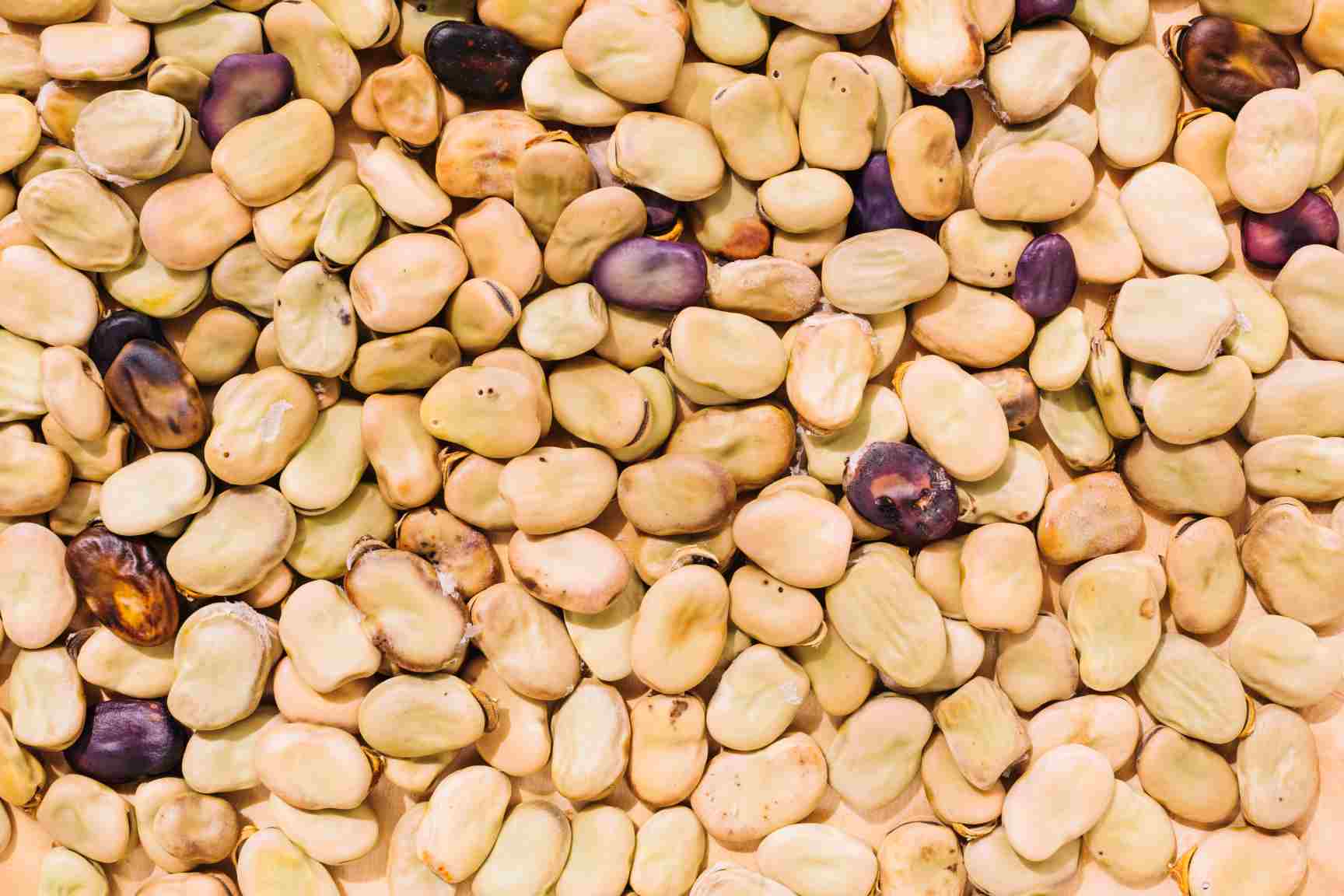
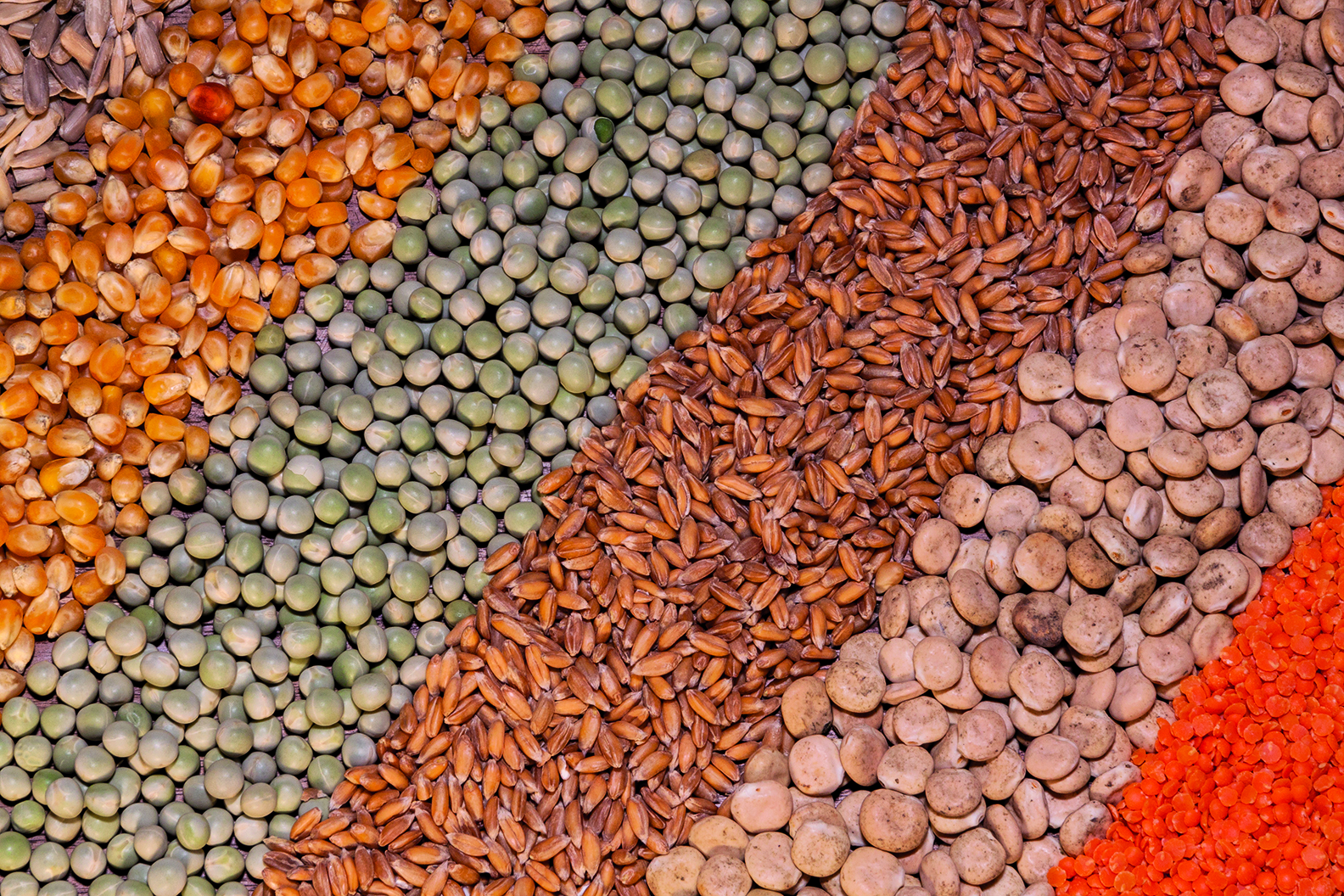
The Plant Protein Contaminants Consortium Project was initiated and coordinated by NIZO with financial support from participating companies and the Dutch Topsector Agri & Food program. The research focused on understanding the occurrence, heat resistance and growth behaviour of microbial contaminants—particularly spore-forming bacteria—in plant-based ingredients such as pea, oat, almond, faba bean and coconut-derived ingredients.
The consortium found considerable variation in microbial contamination levels between ingredient types and even between samples from the same ingredient source. While most bacterial species identified are well-known within the food industry, the project revealed that contamination levels can vary substantially, emphasizing the importance of robust risk assessment and ingredient specifications.
Importantly, the results showed no evidence of previously unknown or unusually resistant microorganisms. However, some identified species have the potential to cause product spoilage or food safety concerns if not adequately controlled through ingredient selection, processing and storage management.
Science-Based Insights for the Industry
The project generated practical scientific knowledge that supports industry decision-making, including:
Improved methods for detecting and enumerating spore-forming bacteria in plant-based ingredients.
New insights into the heat resistance of spores and their ability to survive food processing.
Better understanding of conditions that enable or prevent spore germination and growth in plant-based beverages and dairy alternatives.
Data to support realistic and scientifically justified ingredient specifications between suppliers and manufacturers.
Enhanced predictive models to help identify critical control points and minimize risks during product development.
The findings have been or will soon be published in peer-reviewed scientific journals and provide an independent scientific basis for industry discussions on quality standards and risk management strategies.
Driving Collaboration for a Safer Food System
Based on the outcomes of the consortium project, the industrial alliance recommends that plant-based ingredient suppliers monitor and control bacterial spores, including highly heat resistant spores of thermophilic bacteria (HRTS) and Bacillus cereus. This helps ensure consistent low levels of such potentially problematic spores in plant-based ingredients intended for beverage applications. Through this statement and recommendation, the alliance aims to achieve more streamlined verification of incoming ingredients at the customer level.
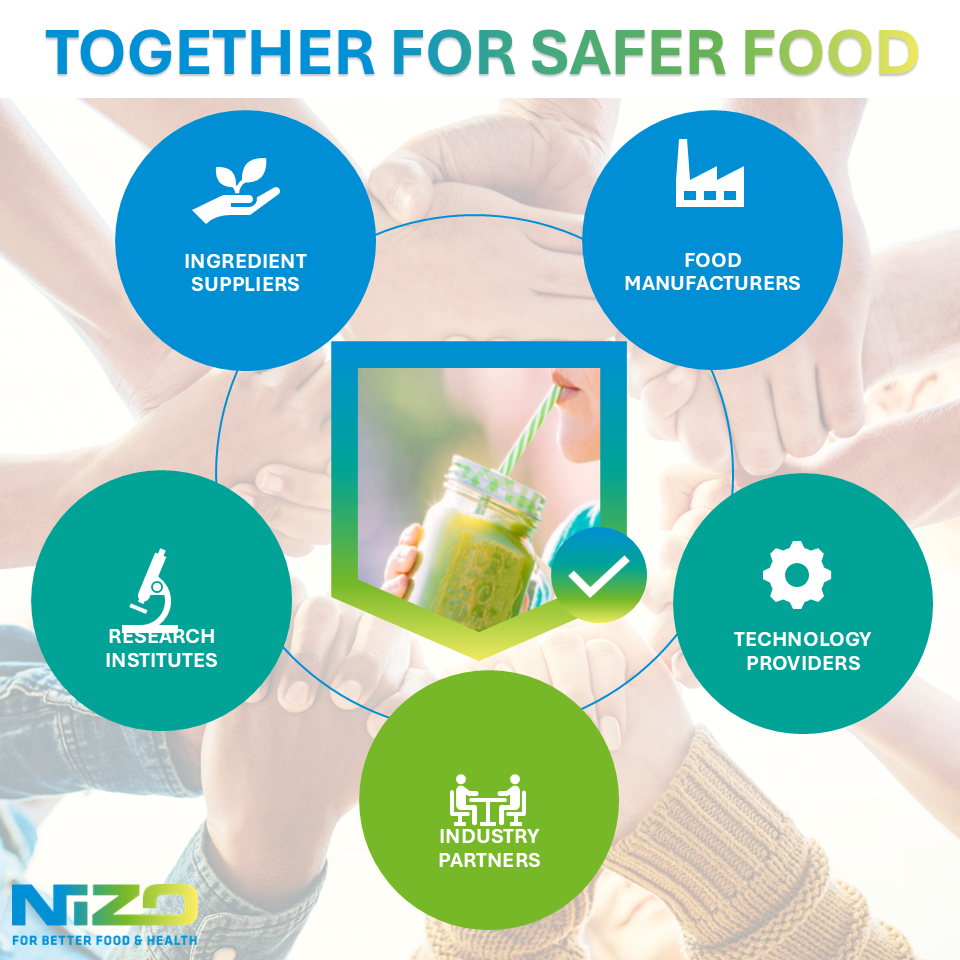
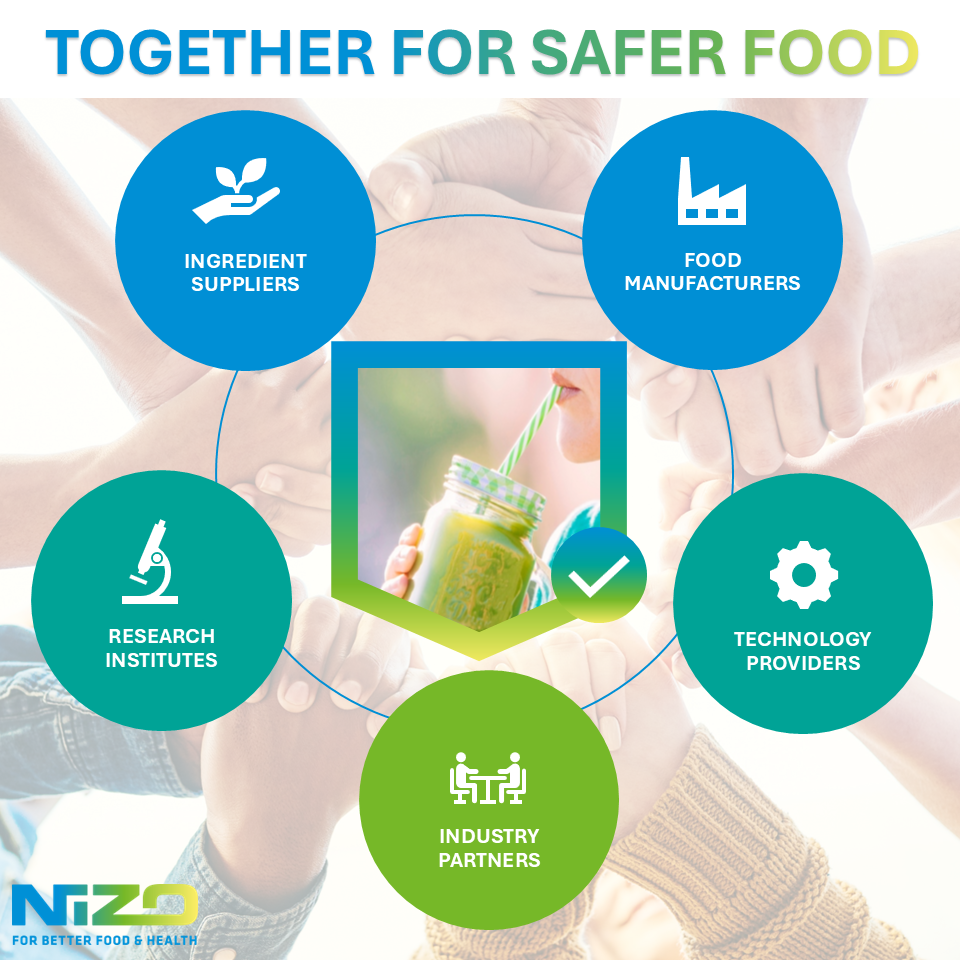
The statement, and the endorsement thereof by NIZO food research, reflect a broader commitment across the food industry to tackle shared challenges through collaboration and knowledge exchange. By bringing together ingredient suppliers, food manufacturers, technology providers and scientific experts, the consortium has created a valuable framework for improving food safety practices across the rapidly growing plant-based sector.
Ensuring food safety while supporting innovation requires collective action,” added Van de Velde. “The outcomes of this project will help companies make more informed decisions, accelerate product development and contribute to a safer and more sustainable food supply chain.”
Questions about this topic? Ask them to Celine Brattinga
Marketing & Communications Manager With a background in Nutrition & Health from Wageningen University, I joined NIZO in 2007 as a project manager in sensory science and product applications. Alongside this role, I also served as panel leader for NIZO’s highly trained analytical panel. In 2017, I embarked on an exciting new chapter by moving […]